Introduction
Some of the most meaningful things we do in life come at a cost.
A parent wakes up in the middle of the night to care for a sick child. Someone sets aside personal comfort to help a struggling friend. A person chooses honesty even when telling the truth means losing an advantage. These moments rarely attract attention, but they reveal something powerful about the human heart: love is often expressed through what we are willing to give.
The Bible presents sacrifice in a much deeper light. It is not merely about losing something valuable or enduring hardship. It is about offering ourselves to God and serving others with a heart shaped by love.
At the center of this truth stands Jesus Christ. His sacrifice was not an ordinary act of generosity. He willingly gave His life to reconcile sinners to God. When we understand the cross, our understanding of sacrifice begins to change. We no longer see it simply as a burden to bear, but as a response to the love we have received.
What might God be asking us to lay down today—not to earn His love, but because His love has already changed us?
“Greater love has no one than this: to lay down one’s life for one’s friends.”
— John 15:13 (NIV)
“And walk in the way of love, just as Christ loved us and gave himself up for us as a fragrant offering and sacrifice to God.”
— Ephesians 5:2 (NIV)
“Therefore, I urge you, brothers and sisters, in view of God’s mercy, to offer your bodies as a living sacrifice, holy and pleasing to God—this is your true and proper worship.”
— Romans 12:1 (NIV)
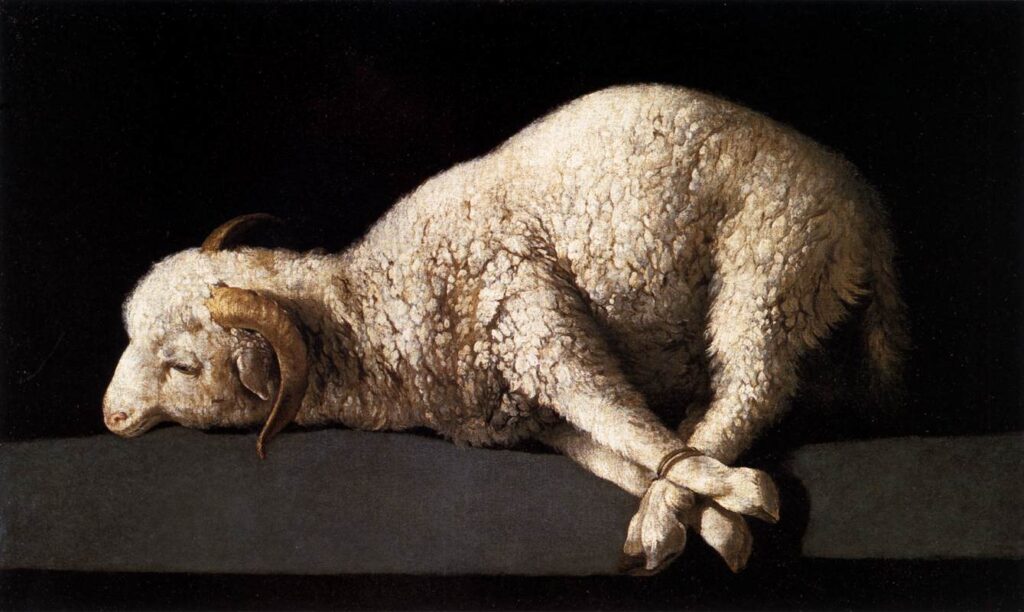

Reflection: What It Means
When we think about sacrifice, we often think about what we lose.
We remember the money we gave away, the opportunities we declined, the hours we spent helping someone, or the comfort we surrendered for the sake of another person. Sacrifice naturally draws our attention to its cost.
Yet the cross invites us to look beyond the cost and consider the love behind it.
Jesus knew what awaited Him in Jerusalem. He understood the suffering that lay ahead, yet He continued toward the cross in obedience to the Father. His sacrifice was not an accident, nor was it an attempt to gain recognition. It was part of God’s redemptive purpose to save sinners.
Romans 5:8 explains this love clearly: while we were still sinners, Christ died for us.
Notice the order.
Jesus did not wait for humanity to become worthy of His love. He acted in grace while we were still in need of redemption. The cross reveals the seriousness of sin, the holiness of God, and the extraordinary depth of His love.
This changes the way we understand Christian sacrifice.
We do not sacrifice to persuade God to love us. We sacrifice because, through Christ, we have encountered a love that transforms us.
Our giving is a response to grace, not a payment for it.
This distinction matters because sacrifice can easily become a source of pride or resentment. We may begin to count everything we have done for others. We may expect appreciation in return. We may feel hurt when people fail to recognize our efforts.
There is nothing wrong with feeling tired or wanting our efforts to be appreciated. Even faithful Christians have human limitations. But when our identity becomes tied to how much we give up, sacrifice can quietly become a way of seeking approval.
The cross calls us back to a different motivation: love.
Jesus did not give Himself to win applause. His sacrifice flowed from His obedience to the Father and His love for humanity.
Ephesians 5:2 calls believers to walk in love as Christ loved us and gave Himself for us. The passage does not ask us to repeat Christ’s unique saving work. Only Jesus could accomplish the redemption He achieved through His death and resurrection. Instead, we are called to let His example shape the way we treat others.
What does that look like in ordinary life?
Sometimes sacrifice means giving our time to someone who needs to be heard, even when our schedule is full. Sometimes it means sharing our resources when we would prefer to spend everything on ourselves. It may mean admitting that we were wrong, choosing peace over the satisfaction of winning an argument, or remaining faithful to a responsibility when nobody is watching.
These actions may seem small compared with the cross, but they reveal whether the love of Christ is influencing our decisions.
Consider a person who has been offended by a friend. The natural response may be to withdraw, speak harshly, or make the other person suffer in return. A Christ-shaped response may require laying down the desire for revenge and choosing to respond with grace.
This does not mean pretending that the hurt never happened. Forgiveness does not always restore trust immediately, and reconciliation may require accountability and changed behavior. Love can establish boundaries while refusing to become consumed by bitterness.
Sacrifice is not the same as allowing people to mistreat us.
Jesus’ example should never be used to justify abuse, coercion, or the destruction of our well-being. Christian love is not a demand that we remain in danger or surrender our God-given dignity. Sometimes a wise and faithful decision involves saying no, seeking help, or stepping away from a harmful situation.
True sacrifice is guided by love and truth, not by manipulation or fear.
Romans 12:1 describes the Christian life as a living sacrifice. Unlike a single dramatic act, this offering is expressed through our everyday choices. We offer God our minds, words, abilities, time, relationships, and decisions.
Worship therefore extends beyond the songs we sing on Sunday. It enters the workplace, the home, the marketplace, and the quiet moments when we decide whether to act with integrity.
A living sacrifice is a life continually placed at God’s disposal.
Perhaps God is not asking you to make a dramatic gesture today. Perhaps He is asking you to surrender your pride, release a grudge, give generously, serve faithfully, or choose what is right when the easier option is wrong.
The question is not simply, “What am I losing?”
It is, “What kind of love is shaping my life?”
When sacrifice grows from our relationship with Christ, it becomes more than an act of loss. It becomes an expression of gratitude, obedience, and love.
Real-Life Application
Begin with gratitude for Christ’s sacrifice
Before thinking about what you must give up, remember what Christ has already done for you. Spend time reflecting on the cross and thanking God for His grace. Gratitude helps keep sacrifice rooted in love rather than guilt.
Give your time intentionally
Notice the people who need your presence. Make time to listen to a family member, encourage a discouraged friend, or help someone facing a difficult season. Your attention may be more valuable than an expensive gift.
Practise generosity without seeking recognition
Give according to your ability and with a sincere heart. This might involve sharing money, offering practical help, or using your skills to benefit someone else. Let generosity be an expression of love rather than a way to gain influence.
Surrender pride and the need to win
In disagreements, ask whether proving yourself right is more important than responding in a way that honors Christ. Be willing to apologize when you are wrong and listen carefully when someone else is hurting.
Make integrity a daily offering
Choose honesty even when it costs you an advantage. Keep your commitments. Treat people fairly when you have power over them. Faithfulness in private matters is an important expression of a life offered to God.
Recognize healthy boundaries
Do not confuse sacrifice with accepting mistreatment. You can love someone while refusing harmful behavior. Seek wise counsel when a relationship or responsibility becomes damaging, and remember that caring for your own well-being can be part of responsible stewardship.
Today, choose one practical way to express Christlike love. It does not need to be impressive or publicly visible. Let it be sincere, thoughtful, and grounded in gratitude for what Jesus has done.
Prayer
Heavenly Father,
Thank You for demonstrating Your love through Jesus Christ. Thank You that while I was still a sinner, Christ died for me and opened the way for forgiveness and reconciliation with You.
Forgive me for the times I have focused more on what sacrifice costs me than on the love that should motivate it. Forgive me when I have helped others only because I wanted recognition, appreciation, or something in return.
Lord Jesus, teach me to follow Your example of humility, obedience, and love. Help me become generous with my time, faithful with my responsibilities, and compassionate toward people who are struggling.
Show me what I need to surrender. If pride is preventing me from apologizing, give me humility. If resentment is taking root in my heart, help me pursue forgiveness and wisdom. If selfishness is keeping me from helping someone, make me willing to share what I can.
Give me discernment to understand the difference between genuine sacrifice and unhealthy pressure. Help me establish wise boundaries where necessary, seek help when I need it, and treat myself and others with the dignity You give us.
May my worship extend beyond words and become visible in the way I live. Let my choices reflect Your love at home, at work, in my church, and in my community.
Thank You that I do not have to earn Your love through my sacrifices. Teach me to respond to the grace I have already received by living a life that honors You.
May my time, abilities, resources, and decisions be offered willingly to You.
In Jesus’ name, Amen.
For a daily dose of encouragement and God’s Word, you can also watch our YouTube Shorts, where we share brief messages to strengthen your faith.