
The Parable of the Yeast: Verse, Meaning & Lesson
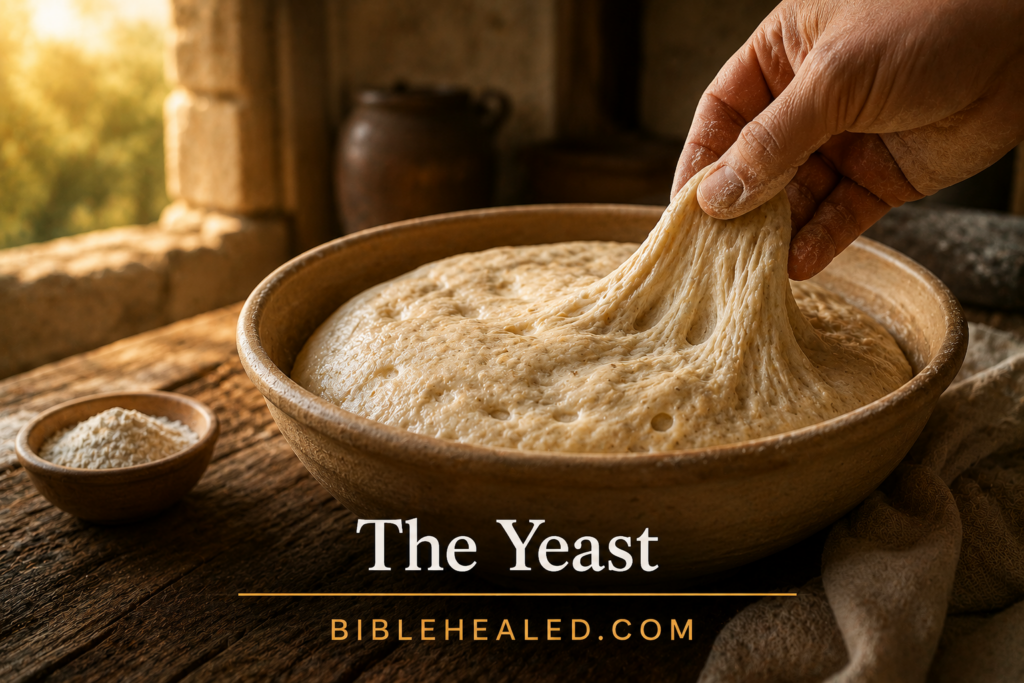
The Parable of the Yeast is one of Jesus’ shortest yet most powerful teachings about the Kingdom of God and its transforming influence. This parable appears in Matthew 13:33 and Luke 13:20-21. In both passages, Jesus compares the Kingdom of Heaven to yeast mixed into a large amount of flour until the entire dough is affected. Though the amount of yeast is small at the beginning, its influence eventually spreads throughout the whole batch.
Jesus uses this everyday image to teach how God’s Kingdom works quietly, steadily, and powerfully. The Kingdom of God may appear small or unnoticed at first, but its influence grows continuously until transformation takes place. Just as yeast changes dough from within, God’s truth changes hearts, lives, communities, and ultimately the world itself. The parable emphasizes inward transformation, spiritual growth, and the unstoppable expansion of God’s Kingdom.
Although Matthew and Luke contain nearly identical versions of this parable, each Gospel places it within a broader context of Jesus teaching about the growth and power of God’s Kingdom. Matthew emphasizes the hidden yet powerful expansion of the Kingdom, while Luke highlights the certainty and completeness of spiritual transformation. Together, these passages provide a fuller understanding of the meaning and lessons behind the Parable of the Yeast.
The Parable of the Yeast in Matthew 13:33
Matthew 13:33 WEB
“He spoke another parable to them. ‘The Kingdom of Heaven is like yeast, which a woman took, and hid in three measures of meal, until it was all leavened.’”
How Matthew 13:33 Relates to the Parable of the Yeast
In Matthew’s Gospel, Jesus compares the Kingdom of Heaven to yeast working silently through dough. Yeast is small and almost invisible once mixed into flour, yet it gradually transforms the entire batch. Jesus uses this imagery to show that God’s Kingdom often begins in ways that seem small, hidden, or insignificant from a worldly perspective. However, its influence steadily spreads and produces complete transformation over time.
Matthew emphasizes the quiet yet unstoppable growth of God’s Kingdom. The woman hides the yeast in the flour, symbolizing how spiritual transformation often begins internally and unseen. Even though the process may appear slow, the yeast eventually affects every part of the dough completely. Jesus teaches that the Kingdom of Heaven grows beyond outward appearances and cannot be stopped once God’s work begins. Matthew’s account highlights the power of spiritual influence and inward transformation.
The Parable of the Yeast in Luke 13:20-21
Luke 13:20-21 WEB
Again he said, “To what shall I compare God’s Kingdom? It is like yeast, which a woman took and hid in three measures of flour, until it was all leavened.”
How Luke 13:20-21 Relates to the Parable of the Yeast
Luke’s Gospel presents the parable as part of Jesus’ broader teaching about the growth of God’s Kingdom. Like Matthew, Luke emphasizes how something small can eventually produce widespread and complete change. The yeast works gradually throughout the dough until every part is affected. This reflects how God’s truth and power transform individuals and communities over time.
Luke also stresses the certainty of the process. Once the yeast is placed into the dough, transformation continues until completion. Jesus teaches that the Kingdom of God is active and effective even when its growth is not immediately visible. Spiritual transformation may begin quietly, but it ultimately produces lasting change. Luke’s account highlights the certainty, persistence, and completeness of God’s work within people and throughout the world.
What Is the Meaning of the Parable of the Yeast
The Parable of the Yeast teaches that the Kingdom of God grows quietly but powerfully until complete transformation takes place. Jesus uses the image of yeast spreading through dough to show how God’s truth works internally before outward results become visible. Though the beginning may appear small or unnoticed, the influence of God’s Kingdom eventually spreads widely and deeply. Spiritual growth often happens gradually through faith, obedience, truth, and the work of God within the heart.
This parable also teaches the transforming power of God’s presence. Just as yeast changes the entire batch of dough, God’s truth changes every part of a person’s life when fully received. The Kingdom of God influences thoughts, attitudes, actions, relationships, and communities. Jesus reveals that God’s work is continuous and unstoppable even when growth seems hidden or slow. The Parable of the Yeast ultimately teaches that small beginnings can produce extraordinary spiritual impact through God’s power.
Lessons from the Parable of the Yeast
1. God’s Kingdom Often Begins Small
Jesus teaches that God’s Kingdom may appear small or unnoticed at first. Like a small amount of yeast hidden in dough, spiritual growth often starts quietly. Many of God’s greatest works begin in humble ways before expanding greatly over time. Believers should not underestimate small acts of faithfulness and obedience. God often works powerfully through what seems insignificant.
2. Spiritual Transformation Happens from Within
Yeast works internally through the dough before visible changes appear externally. In the same way, God transforms hearts inwardly before outward fruit becomes visible. True spiritual growth begins with changes in the heart, mind, and character. Jesus teaches that genuine transformation is not merely external behavior modification. God changes people deeply from the inside out.
3. God’s Truth Spreads and Influences Others
Once yeast begins working, its influence spreads throughout the entire batch of dough. The Kingdom of God also spreads through truth, faith, love, and obedience. A transformed life can influence families, communities, and future generations. Jesus teaches that spiritual influence often grows beyond what people initially expect. Faithfulness can impact many lives over time.
4. Spiritual Growth Requires Patience
The process of yeast working through dough takes time. Jesus teaches that spiritual growth and transformation are often gradual rather than immediate. Believers may not always see instant results, but God continues working faithfully beneath the surface. Patience and perseverance are necessary in spiritual life. God’s timing produces lasting growth and maturity.
5. God’s Kingdom Is Unstoppable
Once yeast is mixed into the dough, the transformation process continues until completion. Jesus uses this image to show that God’s Kingdom cannot ultimately be stopped or defeated. Opposition, difficulty, or small beginnings cannot prevent God’s plans from succeeding. His truth and power continue advancing throughout the world. Believers can trust confidently in the lasting victory and growth of God’s Kingdom.
The Yeast Parable Summary
The Parable of the Yeast teaches that the Kingdom of God grows quietly yet powerfully until complete transformation takes place. In Matthew 13:33 and Luke 13:20-21, Jesus compares God’s Kingdom to yeast hidden in a large amount of flour. Though the yeast begins small and unseen, it eventually spreads throughout the entire dough and changes it completely. This illustrates the hidden but powerful influence of God’s truth and spiritual transformation.
Matthew emphasizes the inward and often unnoticed growth of God’s Kingdom. Luke highlights the certainty and completeness of spiritual transformation once God’s work begins. Together, the passages reveal that God’s Kingdom grows steadily through hearts, lives, and communities even when progress seems slow or invisible. Jesus teaches that spiritual influence begins internally before producing outward results.
The Parable of the Yeast reminds believers that God often works through small beginnings and gradual transformation. Spiritual growth requires patience, faithfulness, and trust in God’s timing. The Kingdom of God continues spreading through truth, obedience, and transformed lives. This parable ultimately teaches that God’s power is active, unstoppable, and capable of bringing complete spiritual change.
Read More Parables In the Bible
The Parable of the Lamp on a Stand is just one of many parables in the Bible. Use the links below to explore more of Jesus’ parables, their meanings, and life lessons.
- All Jesus Parables
- 38 Parables of Jesus (Summarized List)
- Jesus Parables In the Book of Matthew
- Jesus Parables In the Book of Mark
- Jesus Parables In the Book of Luke
- Parables About the Kingdom of God & Heaven
- Parable of the Barren Fig Tree
- Parable of the Divided Kingdom
- Parable of the Faithful Servant
- Parable of the Fig Tree
- Parable of the Friend at Night
- Parable of the Good Samaritan
- Parable of the Great Banquet
- Parable of the Growing Seed
- Parable of the Hidden Treasure
- Parable of the Householder
- Parable of the Lamp on a Lamp Stand
- Parable of the Lost Coin
- Parable of the Lost Sheep
- Parable of the Master and Servant
- Parable of the Mustard Seed
- Parable of the Net
- Parable of the New Cloth and New Wineskins
- Parable of the Pearl
- Parable of the Persistent Widow
- Parable of the Pharisee and the Tax Collector
- Parable of the Prodigal Son
- Parable of the Rich Fool
- Parable of the Rich Man and Lazarus
- Parable of the Sheep and the Goats
- Parable of the Sower
- Parable of the Speck and the Log
- Parable of the Talents
- Parable of the Ten Virgins
- Parable of the Tenants
- Parable of the Tower
- Parable of the Two Debtors
- Parable of the Two Sons
- Parable of the Unforgiving Servant
- Parable of the Unjust Steward
- Parable of the Watchful Servants
- Parable of the Wedding Banquet
- Parable of the Wedding Feast
- Parable of the Weeds
- Parable of the Wise and the Foolish Builders
- Parable of the Workers In the Vineyard
- Parable of the Yeast