
The Parable of the Net: Verse, Meaning & Lesson
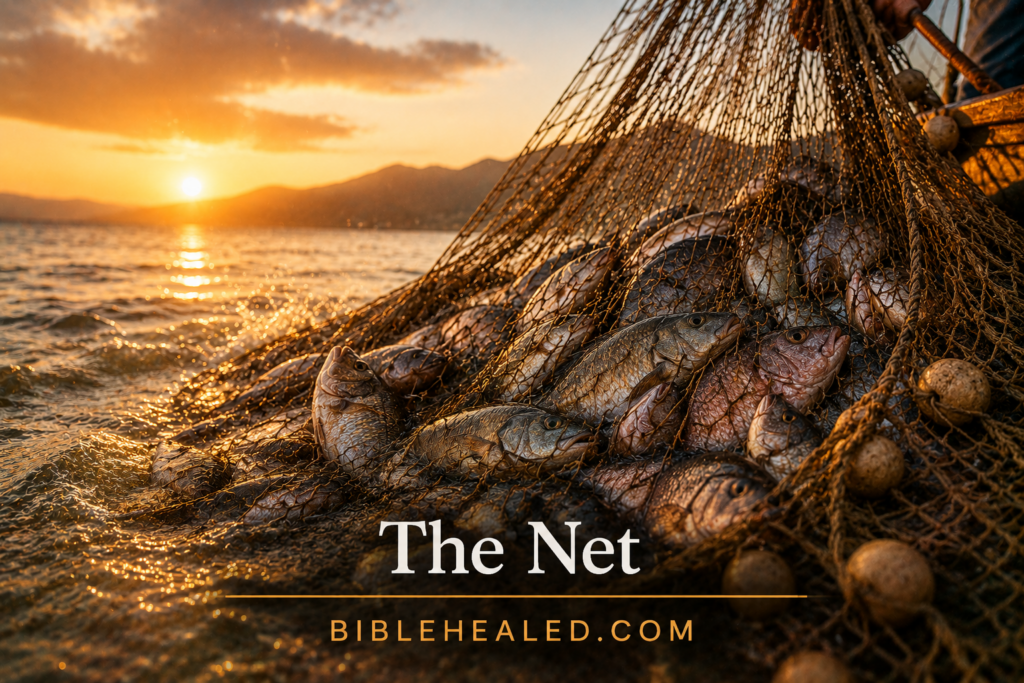
The Parable of the Net is one of Jesus’ clearest teachings about the final judgment, the separation between righteousness and wickedness, and the ultimate accountability of every person before God. This parable appears in Matthew 13:47-50. In this short but powerful teaching, Jesus compares the Kingdom of Heaven to a large fishing net cast into the sea that gathers fish of every kind. Once the net is full, the fishermen separate the good fish from the bad, keeping the good and throwing away the worthless.
Jesus uses this familiar image from everyday fishing life in Galilee to explain a profound spiritual truth. The Kingdom of Heaven is presently gathering people from every background, nation, and condition, but a future separation will eventually take place. Not everyone gathered into the visible reach of God’s Kingdom truly belongs to Him inwardly. At the final judgment, God will separate the righteous from the wicked with perfect justice and authority.
The Parable of the Net closely connects with the Parable of the Weeds because both teach about coexistence before final judgment. However, this parable focuses more directly on the certainty and seriousness of future separation. Jesus emphasizes that judgment is unavoidable and that eternal consequences are real. The Parable of the Net teaches accountability, discernment, repentance, and the importance of genuine faith before the final judgment arrives.
The Parable of the Net in Matthew 13:47-50
Matthew 13:47-50 WEB
“Again, the Kingdom of Heaven is like a dragnet, that was cast into the sea, and gathered some fish of every kind, which, when it was filled, they drew up on the beach. They sat down, and gathered the good into containers, but the bad they threw away. So will it be in the end of the world. The angels will come and separate the wicked from among the righteous, and will cast them into the furnace of fire. There will be the weeping and the gnashing of teeth.”
How Matthew 13:47-50 Relates to the Parable of the Net
In Matthew’s Gospel, Jesus compares the Kingdom of Heaven to a dragnet gathering fish from the sea without immediate distinction. The net collects fish of every kind, symbolizing the broad reach of God’s Kingdom and the gospel message going out into the world. Just as fishermen sort the catch afterward, God will one day separate people according to their spiritual condition and relationship with Him.
Matthew emphasizes the certainty of final judgment and eternal accountability. The separation does not happen while the net is still in the water, but after it is brought ashore. This teaches that judgment belongs to God’s appointed time rather than human timing. Jesus also stresses the seriousness of eternity by describing the punishment of the wicked and the reward of the righteous. Matthew’s account highlights God’s justice, holiness, and the urgent importance of genuine faith and repentance.
What Is the Meaning of the Parable of the Net
The Parable of the Net teaches that the Kingdom of Heaven includes a coming final judgment where God will separate the righteous from the wicked. Jesus explains that although many people may outwardly associate with God’s Kingdom, a final distinction will eventually be made according to genuine faith and obedience. The net gathering all kinds of fish represents the gospel reaching all people regardless of background, status, or nationality.
This parable also teaches the certainty and seriousness of eternal accountability. God’s patience allows time for repentance and response to truth, but final judgment will eventually come. Jesus warns that eternal separation from God is real and should not be ignored lightly. The good fish symbolize those who truly belong to God, while the bad fish represent those who reject Him or live apart from His truth. The Parable of the Net ultimately calls people to sincere faith, repentance, and readiness for the final judgment.
Lessons from the Parable of the Net
1. The Gospel Is Offered to All People
The dragnet gathers fish of every kind without discrimination. Jesus teaches that the message of God’s Kingdom is extended broadly to all people regardless of background or status. God invites everyone to hear and respond to the gospel. The Kingdom of Heaven reaches across nations, cultures, and social divisions. This reveals God’s mercy and desire for people to come to repentance.
2. Final Judgment Is Certain
Jesus teaches that a future separation between the righteous and the wicked will absolutely occur. Just as fishermen sort fish after gathering them, God will one day judge every person perfectly. Final judgment is not symbolic or uncertain but a real event. This truth reminds believers that earthly life carries eternal consequences. God’s justice will ultimately prevail completely.
3. Outward Association Is Not Enough
Not every fish gathered into the net was kept. Jesus teaches that merely being around spiritual things does not guarantee genuine faith. A person may outwardly associate with religion while lacking true obedience and relationship with God. Genuine faith produces transformation, repentance, and righteousness. God sees beyond appearances into the condition of the heart.
4. God Alone Has Perfect Authority to Judge
The sorting of the fish takes place at the proper time and under proper authority. Jesus teaches that ultimate judgment belongs to God rather than human beings. People often judge imperfectly because they cannot fully see motives, hearts, or spiritual conditions. God’s judgment is completely fair, holy, and accurate. Believers are called to trust His justice and authority.
5. Eternal Consequences Are Real
Jesus speaks seriously about the fate of the wicked and the reality of eternal separation from God. This parable reminds people not to treat salvation casually or ignore spiritual truth. Eternal life and eternal judgment are central realities within Jesus’ teaching. The gospel carries both invitation and warning. Believers are called to respond sincerely and live faithfully before God.
The Net Parable Summary
The Parable of the Net teaches that the Kingdom of Heaven includes both God’s invitation to all people and the certainty of final judgment. In Matthew 13:47-50, Jesus compares the Kingdom to a dragnet cast into the sea that gathers fish of every kind. Once the net is full, the fishermen separate the good fish from the bad, keeping the good and discarding the worthless. Jesus explains that this represents the final separation between the righteous and the wicked at the end of the age.
Matthew emphasizes God’s justice, eternal accountability, and the seriousness of spiritual readiness. The net symbolizes the broad reach of the gospel gathering people from every background into contact with God’s Kingdom. However, Jesus warns that outward association alone is insufficient because God will ultimately judge the true condition of every heart. Final judgment belongs entirely to God and will happen according to His perfect timing and authority.
This parable reminds believers to take spiritual truth seriously and live faithfully before God. The Parable of the Net ultimately calls people to genuine repentance, sincere faith, and readiness for eternity. Jesus teaches that while God’s invitation is broad, eternal separation between righteousness and wickedness will one day become final and complete.
Read More Parables In the Bible
The Parable of the Lamp on a Stand is just one of many parables in the Bible. Use the links below to explore more of Jesus’ parables, their meanings, and life lessons.
- All Jesus Parables
- 38 Parables of Jesus (Summarized List)
- Jesus Parables In the Book of Matthew
- Jesus Parables In the Book of Mark
- Jesus Parables In the Book of Luke
- Parables About the Kingdom of God & Heaven
- Parable of the Barren Fig Tree
- Parable of the Divided Kingdom
- Parable of the Faithful Servant
- Parable of the Fig Tree
- Parable of the Friend at Night
- Parable of the Good Samaritan
- Parable of the Great Banquet
- Parable of the Growing Seed
- Parable of the Hidden Treasure
- Parable of the Householder
- Parable of the Lamp on a Lamp Stand
- Parable of the Lost Coin
- Parable of the Lost Sheep
- Parable of the Master and Servant
- Parable of the Mustard Seed
- Parable of the Net
- Parable of the New Cloth and New Wineskins
- Parable of the Pearl
- Parable of the Persistent Widow
- Parable of the Pharisee and the Tax Collector
- Parable of the Prodigal Son
- Parable of the Rich Fool
- Parable of the Rich Man and Lazarus
- Parable of the Sheep and the Goats
- Parable of the Sower
- Parable of the Speck and the Log
- Parable of the Talents
- Parable of the Ten Virgins
- Parable of the Tenants
- Parable of the Tower
- Parable of the Two Debtors
- Parable of the Two Sons
- Parable of the Unforgiving Servant
- Parable of the Unjust Steward
- Parable of the Watchful Servants
- Parable of the Wedding Banquet
- Parable of the Wedding Feast
- Parable of the Weeds
- Parable of the Wise and the Foolish Builders
- Parable of the Workers In the Vineyard
- Parable of the Yeast