
The Parable of the Sower: Verse, Meaning & Lesson
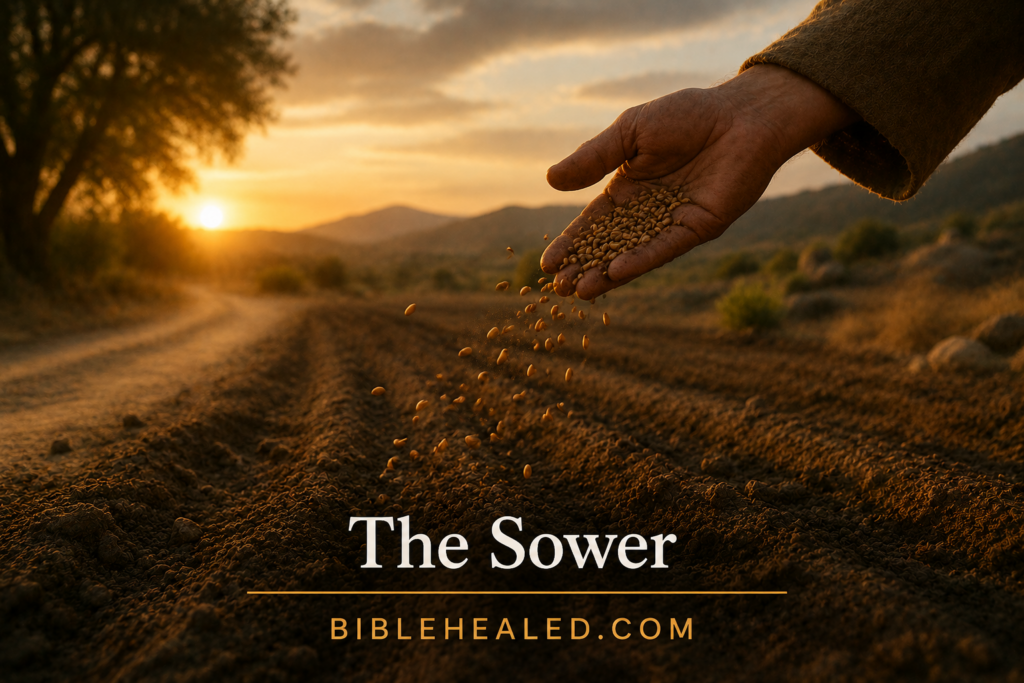
The Parable of the Sower is one of Jesus’ most well-known and foundational parables about the Kingdom of God, spiritual growth, and how people respond to God’s Word. This parable appears in Matthew 13:3-23, Mark 4:3-20, and Luke 8:5-15. In each account, Jesus describes a farmer scattering seed onto different types of ground. Some seed falls beside the road, some on rocky ground, some among thorns, and some on good soil. The condition of the soil determines whether the seed grows successfully or fails.
Jesus later explains that the seed represents the Word of God, while the different soils represent the condition of human hearts. The parable teaches that people respond differently to God’s truth depending on their spiritual openness, faith, distractions, and perseverance. Although the same seed is sown everywhere, not every heart receives it in the same way. This teaching reveals why some people reject truth, some fall away, and others produce lasting spiritual fruit.
Matthew, Mark, and Luke each present the same core message while emphasizing different spiritual lessons. Matthew highlights understanding and spiritual fruitfulness. Mark focuses on perseverance and endurance during hardship. Luke emphasizes hearing, holding onto truth, and remaining faithful with patience. Together, these passages provide a complete understanding of the meaning and lessons behind the Parable of the Sower.
The Parable of the Sower in Matthew 13:3-23
Matthew 13:3-9 WEB
“Behold, a farmer went out to sow. As he sowed, some seeds fell by the roadside, and the birds came and devoured them. Others fell on rocky ground, where they didn’t have much soil, and immediately they sprang up, because they had no depth of earth. When the sun had risen, they were scorched. Because they had no root, they withered away. Others fell among thorns. The thorns grew up and choked them. Others fell on good soil and yielded fruit: some one hundred times as much, some sixty, and some thirty. He who has ears to hear, let him hear.”
Matthew 13:18-23 WEB
“Hear, then, the parable of the farmer. When anyone hears the word of the Kingdom and doesn’t understand it, the evil one comes and snatches away that which has been sown in his heart. This is what was sown by the roadside. What was sown on the rocky places, this is he who hears the word and immediately with joy receives it; yet he has no root in himself, but endures for a while. When oppression or persecution arises because of the word, immediately he stumbles. What was sown among the thorns, this is he who hears the word, but the cares of this age and the deceitfulness of riches choke the word, and he becomes unfruitful. What was sown on the good ground, this is he who hears the word and understands it, who most certainly bears fruit and produces, some one hundred times as much, some sixty, and some thirty.”
How Matthew 13:3-23 Relates to the Parable of the Sower
Matthew’s Gospel emphasizes understanding and spiritual fruitfulness. Jesus explains that the condition of the heart determines whether God’s Word takes root and grows. The roadside soil represents hardened hearts that do not understand or receive truth, allowing Satan to remove it quickly. Rocky soil represents shallow faith that initially responds with joy but lacks deep roots to endure hardship. Thorny soil symbolizes hearts distracted by worldly worries, wealth, and desires that eventually choke spiritual growth.
Matthew strongly highlights the importance of good soil. Those who truly understand and receive God’s Word produce spiritual fruit in varying measures. Fruitfulness becomes evidence of genuine faith and spiritual maturity. Jesus teaches that hearing truth is not enough unless it produces lasting transformation. Matthew’s account focuses on the connection between understanding God’s truth and living a fruitful spiritual life.
The Parable of the Sower in Mark 4:3-20
Mark 4:3-9 WEB
“Listen! Behold, the farmer went out to sow, and as he sowed, some seed fell by the road, and the birds came and devoured it. Others fell on the rocky ground, where it had little soil, and immediately it sprang up, because it had no depth of soil. When the sun had risen, it was scorched; and because it had no root, it withered away. Others fell among the thorns, and the thorns grew up and choked it, and it yielded no fruit. Others fell into the good ground and yielded fruit, growing up and increasing. Some produced thirty times, some sixty times, and some one hundred times as much. He said, ‘Whoever has ears to hear, let him hear.’”
Mark 4:13-20 WEB
“He said to them, ‘Don’t you understand this parable? How will you understand all of the parables? The farmer sows the word. The ones by the road are the ones where the word is sown; and when they have heard, immediately Satan comes and takes away the word which has been sown in them. These in the same way are those who are sown on the rocky places, who, when they have heard the word, immediately receive it with joy. They have no root in themselves, but are short-lived. When oppression or persecution arises because of the word, immediately they stumble. Others are those who are sown among the thorns. These are those who have heard the word, and the cares of this age, the deceitfulness of riches, and the lusts of other things entering in choke the word, and it becomes unfruitful. Those which were sown on the good ground are those who hear the word, accept it, and bear fruit, some thirty times, some sixty times, and some one hundred times.’”
How Mark 4:3-20 Relates to the Parable of the Sower
Mark’s account emphasizes perseverance and endurance in spiritual life. Jesus identifies this parable as foundational for understanding many of His other teachings. The rocky soil especially highlights people who respond emotionally to truth but lack deep spiritual roots. When suffering, persecution, or pressure comes, their faith quickly fades because it was never firmly established.
Mark also emphasizes the dangers of worldly distractions. Riches, desires, and anxieties slowly choke spiritual growth until fruitfulness disappears completely. The good soil represents those who not only hear truth but also accept and hold onto it faithfully. Mark’s Gospel stresses that genuine faith endures challenges and continues growing despite opposition. Spiritual maturity requires both perseverance and ongoing obedience to God’s Word.
The Parable of the Sower in Luke 8:5-15
Luke 8:5-8 WEB
“The farmer went out to sow his seed. As he sowed, some fell along the road, and it was trampled under foot, and the birds of the sky devoured it. Other seed fell on the rock, and as soon as it grew, it withered away, because it had no moisture. Other fell amid the thorns, and the thorns grew with it, and choked it. Other fell into the good ground, and grew, and produced one hundred times as much fruit. As he said these things, he called out, ‘He who has ears to hear, let him hear!’”
Luke 8:11-15 WEB
“Now the parable is this: The seed is the word of God. Those along the road are those who have heard; then the devil comes, and takes away the word from their heart, that they may not believe and be saved. Those on the rock are they who, when they hear, receive the word with joy; but these have no root, who believe for a while, then fall away in time of temptation. That which fell among the thorns, these are those who have heard, and as they go on their way they are choked with cares, riches, and pleasures of life, and bring no fruit to maturity. That in the good ground, these are such as in an honest and good heart, having heard the word, hold it tightly, and produce fruit with perseverance.”
How Luke 8:5-15 Relates to the Parable of the Sower
Luke’s Gospel emphasizes faithful perseverance and the condition of the heart. Jesus explains that the seed is God’s Word and that salvation itself is connected to whether truth is received or rejected. The roadside soil represents hearts where truth never takes root because the devil removes it before belief develops. Rocky soil represents temporary belief that collapses during temptation and testing.
Luke also highlights spiritual maturity and perseverance more clearly than the other accounts. The thorny soil represents people overwhelmed by life’s pleasures, anxieties, and distractions, preventing mature spiritual fruit from developing. Good soil represents honest and receptive hearts that cling tightly to God’s Word and remain faithful over time. Luke teaches that lasting spiritual growth requires patience, endurance, and commitment to truth.
What Is the Meaning of the Parable of the Sower
The Parable of the Sower teaches that the condition of a person’s heart determines how they respond to God’s Word. The seed itself is good because it represents the truth of God, but different types of soil respond differently to the same message. Some hearts are hardened and resistant, preventing truth from entering deeply. Others respond quickly but lack the spiritual depth needed to endure difficulty. Some allow worldly distractions and desires to choke spiritual growth before fruit develops.
The good soil represents hearts that receive, understand, and faithfully apply God’s Word over time. Jesus teaches that genuine faith produces visible spiritual fruit such as obedience, growth, character, and perseverance. This parable also explains why people respond differently to the gospel even when hearing the same truth. Spiritual growth depends not only on hearing God’s Word but also on receiving it sincerely and remaining faithful through life’s challenges. The Parable of the Sower ultimately teaches the importance of cultivating a receptive and faithful heart before God.
Lessons from the Parable of the Sower
1. The Condition of the Heart Matters
Jesus teaches that spiritual growth depends greatly on the condition of a person’s heart. The same truth can produce different results depending on spiritual openness and receptiveness. Hardened hearts resist truth while receptive hearts allow truth to grow deeply. Spiritual preparation is essential for growth and maturity. Believers are called to keep their hearts soft and responsive before God.
2. Shallow Faith Cannot Endure Trials
The rocky soil represents temporary faith without deep roots. Some people initially respond emotionally to truth but fall away during hardship or temptation. Jesus teaches that genuine faith must grow deeply to withstand pressure and suffering. Spiritual depth develops through obedience, prayer, trust, and perseverance. Strong roots are necessary for lasting faith.
3. Worldly Distractions Can Choke Spiritual Growth
The thorny soil shows how worries, wealth, pleasures, and desires can slowly consume spiritual focus. A person may hear God’s Word but become distracted by temporary concerns and ambitions. Jesus warns that spiritual fruitfulness can be choked by misplaced priorities. Believers must guard their hearts against distractions that weaken faith. Spiritual growth requires intentional focus on God.
4. God’s Word Produces Fruit in Faithful Hearts
The good soil represents people who sincerely receive and apply God’s truth. Genuine faith produces visible fruit such as obedience, love, character, faithfulness, and spiritual maturity. Fruitfulness is evidence that God’s Word has taken root deeply within the heart. Jesus teaches that spiritual growth can impact others powerfully and abundantly. A faithful life produces lasting results for God’s Kingdom.
5. Perseverance Is Essential for Spiritual Maturity
Luke especially emphasizes perseverance and patience in producing spiritual fruit. Faith is not simply a temporary emotional response but a lifelong commitment to God’s truth. Trials, temptations, and distractions test the strength of spiritual roots over time. Jesus teaches that faithful endurance leads to lasting fruitfulness and maturity. Believers are called to remain steadfast in every season of life.
The Sower Parable Summary
The Parable of the Sower teaches that the condition of the human heart determines how people respond to God’s Word. In Matthew 13:3-23, Mark 4:3-20, and Luke 8:5-15, Jesus describes a farmer scattering seed onto four different types of soil: the roadside, rocky ground, thorny ground, and good soil. The seed represents God’s truth, while the soils represent different spiritual conditions within people’s hearts. Some reject truth immediately, some fall away during hardship, some become distracted by worldly concerns, and others receive truth faithfully and produce spiritual fruit.
Matthew emphasizes understanding and fruitfulness, showing that genuine faith produces lasting transformation. Mark focuses on perseverance and endurance during persecution and spiritual pressure. Luke highlights honest hearts that hold tightly to truth and continue faithfully with patience. Together, the three Gospel accounts reveal the importance of spiritual receptiveness, maturity, and perseverance.
This parable reminds believers that hearing God’s Word alone is not enough. Spiritual growth requires faith, obedience, endurance, and protection against distractions that can choke spiritual life. Jesus teaches that fruitful faith develops over time within hearts that sincerely receive truth and remain faithful to God. The Parable of the Sower ultimately calls believers to cultivate hearts that are prepared, rooted, and fruitful for God’s Kingdom.
Read More Parables In the Bible
The Parable of the Lamp on a Stand is just one of many parables in the Bible. Use the links below to explore more of Jesus’ parables, their meanings, and life lessons.
- All Jesus Parables
- 38 Parables of Jesus (Summarized List)
- Jesus Parables In the Book of Matthew
- Jesus Parables In the Book of Mark
- Jesus Parables In the Book of Luke
- Parables About the Kingdom of God & Heaven
- Parable of the Barren Fig Tree
- Parable of the Divided Kingdom
- Parable of the Faithful Servant
- Parable of the Fig Tree
- Parable of the Friend at Night
- Parable of the Good Samaritan
- Parable of the Great Banquet
- Parable of the Growing Seed
- Parable of the Hidden Treasure
- Parable of the Householder
- Parable of the Lamp on a Lamp Stand
- Parable of the Lost Coin
- Parable of the Lost Sheep
- Parable of the Master and Servant
- Parable of the Mustard Seed
- Parable of the Net
- Parable of the New Cloth and New Wineskins
- Parable of the Pearl
- Parable of the Persistent Widow
- Parable of the Pharisee and the Tax Collector
- Parable of the Prodigal Son
- Parable of the Rich Fool
- Parable of the Rich Man and Lazarus
- Parable of the Sheep and the Goats
- Parable of the Sower
- Parable of the Speck and the Log
- Parable of the Talents
- Parable of the Ten Virgins
- Parable of the Tenants
- Parable of the Tower
- Parable of the Two Debtors
- Parable of the Two Sons
- Parable of the Unforgiving Servant
- Parable of the Unjust Steward
- Parable of the Watchful Servants
- Parable of the Wedding Banquet
- Parable of the Wedding Feast
- Parable of the Weeds
- Parable of the Wise and the Foolish Builders
- Parable of the Workers In the Vineyard
- Parable of the Yeast