
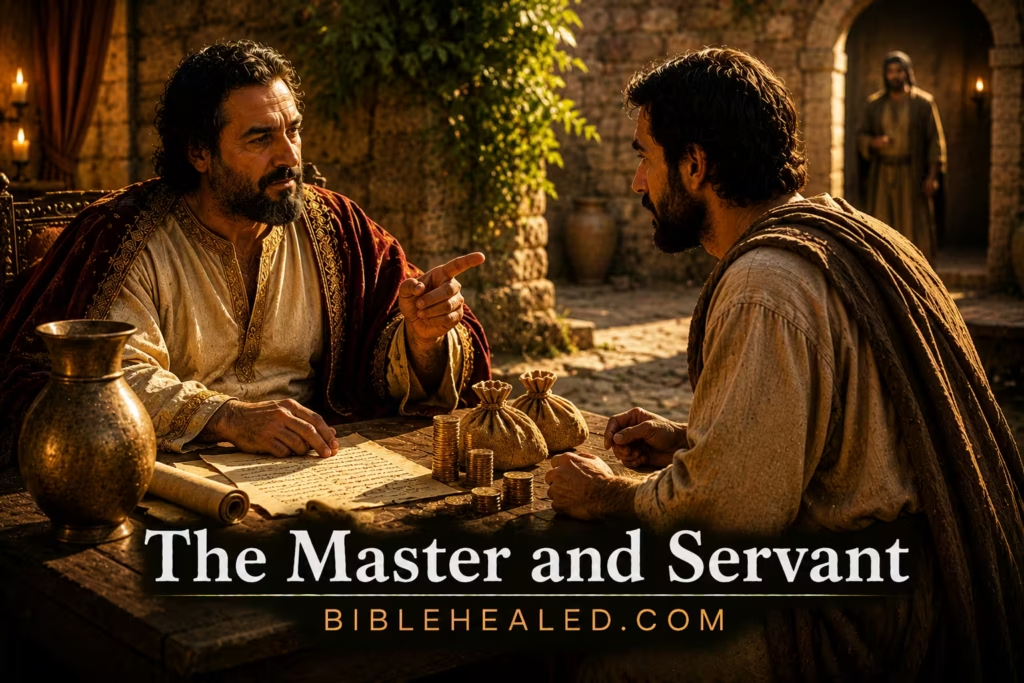
The Parable of the Master and Servant: Verse, Meaning & Lesson
The Parable of the Master and Servant is one of Jesus’ important teachings about humility, obedience, faithfulness, and the attitude believers should have toward serving God. This parable appears in Luke 17:7–10 after Jesus teaches His disciples about forgiveness and faith. Through this short but powerful illustration, Jesus explains that obedience to God is not something that earns special praise or entitlement, but the natural duty of a faithful servant.
In the parable, Jesus describes a servant who spends the day plowing or tending sheep in the field. When the servant returns home, the master does not immediately invite him to sit down and eat. Instead, the servant is expected to prepare the master’s meal first and continue serving until the master has finished eating. Jesus asks whether the master thanks the servant simply for doing what was commanded. He then applies the lesson directly to His disciples, saying that after they have done everything commanded, they should say, “We are unworthy servants. We have done our duty.”
The Parable of the Master and Servant teaches that believers should serve God with humility and obedience rather than pride or a desire for recognition. Jesus emphasizes that faithful service is the proper response to God’s authority and grace. The parable also reminds believers that obedience to God should come from devotion and faithfulness rather than a desire for reward or status.
The Parable of the Master and Servant in Luke 17:7–10
Luke 17:7–10 WEB
“But who is there among you, having a servant plowing or keeping sheep, that will say, when he comes in from the field, ‘Come immediately and sit down at the table,’ and will not rather tell him, ‘Prepare my supper, clothe yourself properly, and serve me while I eat and drink. Afterward you shall eat and drink’? Does he thank that servant because he did the things that were commanded? I think not.
Even so you also, when you have done all the things that are commanded you, say, ‘We are unworthy servants. We have done our duty.’”
How Luke 17:7–10 Relates to the Parable of the Master and Servant
In Luke’s Gospel, Jesus uses the relationship between a master and servant to teach about humility and faithful obedience. The servant works in the field and then continues serving inside the house without expecting praise or reward. Jesus uses this familiar image to show that obedience is expected from those who serve God faithfully.
Luke also emphasizes the attitude behind service. The servant does not act with entitlement or expectation of special recognition for fulfilling responsibilities. Jesus teaches that believers should approach service to God with humility, recognizing that obedience is a natural response to God’s authority, goodness, and grace.
The passage concludes with Jesus instructing His disciples to say, “We are unworthy servants. We have done our duty.” Luke highlights that faithful discipleship is not about seeking honor or self-exaltation. Instead, believers are called to serve faithfully, humbly, and consistently without pride. Jesus teaches that true spiritual maturity produces humility rather than self-importance.
What Is the Meaning of the Parable of the Master and Servant
The Parable of the Master and Servant teaches that believers are called to serve God with humility, obedience, and faithfulness. Jesus uses the example of a servant fulfilling assigned responsibilities to show that obedience to God is not extraordinary but expected. Faithful service should come from devotion rather than a desire for recognition or reward.
This parable also teaches the importance of humility in the Christian life. Jesus warns against spiritual pride or the belief that obedience makes someone superior or deserving of special honor. Even after fulfilling responsibilities faithfully, believers should remain humble before God. Everything people have ultimately comes from His grace and mercy.
The Parable of the Master and Servant further emphasizes duty and perseverance. The servant continues working without complaint because service is part of his role. Jesus teaches that discipleship involves ongoing faithfulness even when service feels unnoticed or difficult. The parable ultimately highlights humility, obedience, faithful service, and proper attitude toward God.
Lessons from the Parable of the Master and Servant
1. Obedience to God Is Expected
Jesus teaches that servants are expected to carry out the responsibilities given to them. In the same way, believers are called to obey God faithfully. Obedience is not optional for discipleship. Following God’s commands is part of faithful living. True faith expresses itself through obedience.
2. Humility Should Accompany Service
The servant does not demand praise for simply doing his duty. Jesus teaches believers to serve with humility rather than pride or self-importance. Spiritual maturity produces a humble heart. Service to God is a privilege rather than a reason for boasting. Humility keeps believers dependent on God.
3. Faithful Service Often Requires Perseverance
The servant continues working even after a long day in the field. Jesus teaches that discipleship involves endurance and continued faithfulness. Serving God may require sacrifice, patience, and persistence. Believers are called to remain faithful even when service feels difficult or unnoticed. Perseverance is part of spiritual growth.
4. God’s Grace Is Greater Than Human Merit
Jesus reminds believers that even faithful obedience does not place God in debt to them. Salvation and relationship with God come through His grace rather than human achievement. Believers cannot earn God’s favor through works alone. This truth protects against pride and self-righteousness. Gratitude should motivate service.
5. True Discipleship Focuses on Faithfulness Rather Than Recognition
The servant’s role is to fulfill his responsibilities faithfully, not seek attention or honor. Jesus teaches believers to focus on serving God sincerely rather than seeking praise from others. Faithfulness matters more than public recognition. God sees quiet obedience and humble service. Spiritual integrity matters even when unnoticed.
The Master and Servant Parable Summary
The Parable of the Master and Servant teaches about humility, obedience, and faithful service to God. In Luke 17:7–10, Jesus describes a servant who continues serving his master faithfully without expecting praise or reward simply for doing his assigned duties. Jesus uses this example to teach the proper attitude believers should have in serving God.
Luke emphasizes that obedience and faithful service are expected parts of discipleship rather than grounds for pride or entitlement. Jesus teaches believers to remain humble, recognizing that everything ultimately comes from God’s grace and authority. Faithful service should flow from devotion and gratitude rather than a desire for recognition.
This parable ultimately reminds believers to serve God with humility, perseverance, and faithfulness. The Parable of the Master and Servant teaches that true discipleship focuses on obedience, endurance, and wholehearted devotion to God rather than personal honor or reward. Jesus calls His followers to serve faithfully with humble hearts.
Read More Parables In the Bible
The Parable of the Lamp on a Stand is just one of many parables in the Bible. Use the links below to explore more of Jesus’ parables, their meanings, and life lessons.
- All Jesus Parables
- 38 Parables of Jesus (Summarized List)
- Jesus Parables In the Book of Matthew
- Jesus Parables In the Book of Mark
- Jesus Parables In the Book of Luke
- Parables About the Kingdom of God & Heaven
- Parable of the Barren Fig Tree
- Parable of the Divided Kingdom
- Parable of the Faithful Servant
- Parable of the Fig Tree
- Parable of the Friend at Night
- Parable of the Good Samaritan
- Parable of the Great Banquet
- Parable of the Growing Seed
- Parable of the Hidden Treasure
- Parable of the Householder
- Parable of the Lamp on a Lamp Stand
- Parable of the Lost Coin
- Parable of the Lost Sheep
- Parable of the Master and Servant
- Parable of the Mustard Seed
- Parable of the Net
- Parable of the New Cloth and New Wineskins
- Parable of the Pearl
- Parable of the Persistent Widow
- Parable of the Pharisee and the Tax Collector
- Parable of the Prodigal Son
- Parable of the Rich Fool
- Parable of the Rich Man and Lazarus
- Parable of the Sheep and the Goats
- Parable of the Sower
- Parable of the Speck and the Log
- Parable of the Talents
- Parable of the Ten Virgins
- Parable of the Tenants
- Parable of the Tower
- Parable of the Two Debtors
- Parable of the Two Sons
- Parable of the Unforgiving Servant
- Parable of the Unjust Steward
- Parable of the Watchful Servants
- Parable of the Wedding Banquet
- Parable of the Wedding Feast
- Parable of the Weeds
- Parable of the Wise and the Foolish Builders
- Parable of the Workers In the Vineyard
- Parable of the Yeast