
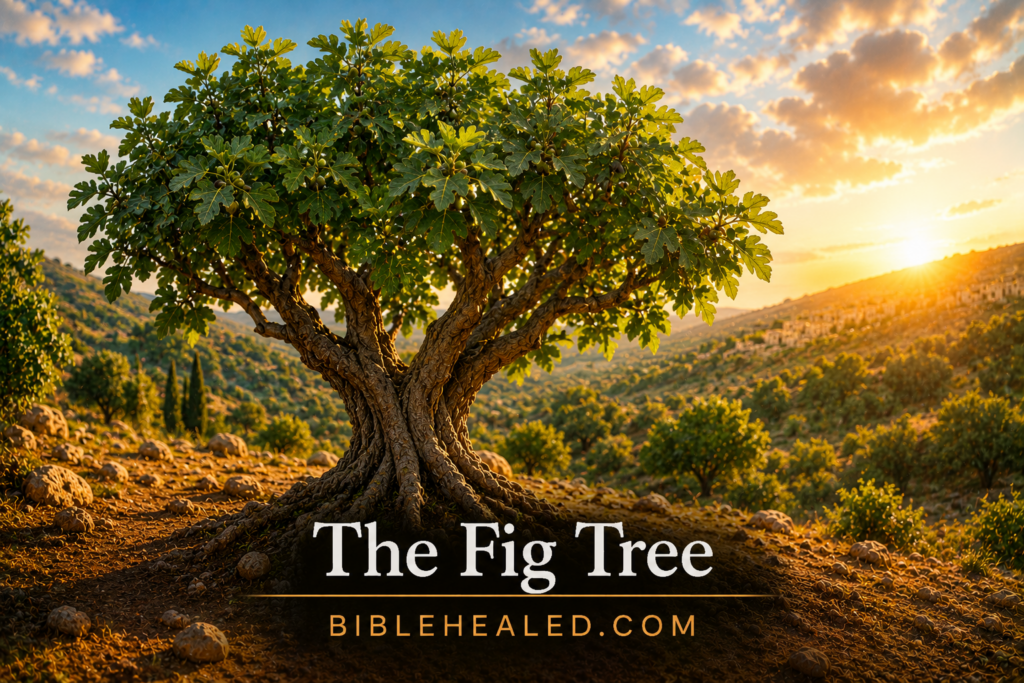
The Parable of the Fig Tree: Verse, Meaning and Lesson
The Parable of the Fig Tree is one of Jesus’ clearest teachings about spiritual awareness, recognizing the signs of God’s work, and understanding the nearness of His Kingdom. This parable appears in Matthew 24:32-35, Mark 13:28-31, and Luke 21:29-33. In each passage, Jesus uses the natural process of a fig tree budding and producing leaves as an illustration of how people recognize approaching seasons. Just as visible changes in nature signal that summer is near, spiritual signs reveal that God’s plans and promises are unfolding.
Jesus teaches this parable during the Olivet Discourse, where He speaks about future events, the destruction of Jerusalem, coming judgment, and the fulfillment of God’s Kingdom. The fig tree becomes a simple but powerful illustration showing that believers are expected to pay attention spiritually just as they naturally observe changes in nature. The lesson emphasizes awareness, readiness, discernment, and trust in God’s word.
Although the three Gospel accounts contain the same core message, each emphasizes slightly different themes. Matthew highlights the certainty and authority of Jesus’ words. Mark emphasizes attentiveness and spiritual responsibility. Luke broadens the lesson by mentioning all trees and focusing on the nearness of God’s Kingdom. Together, these passages provide a complete understanding of the meaning and lessons behind the Parable of the Fig Tree.
The Parable of the Fig Tree in Matthew 24:32-35
Matthew 24:32-35 WEB
“Now from the fig tree learn this parable. When its branch has now become tender, and puts out its leaves, you know that the summer is near. Even so you also, when you see all these things, know that it is near, even at the doors. Most certainly I tell you, this generation will not pass away until all these things are accomplished. Heaven and earth will pass away, but my words will not pass away.”
How Matthew 24:32-35 Relates to the Parable of the Fig Tree
In Matthew’s Gospel, Jesus uses the fig tree to teach spiritual discernment and awareness of prophetic fulfillment. Just as people naturally recognize the arrival of summer by observing the changes in a fig tree, believers are expected to recognize the spiritual signs Jesus described earlier in the chapter. The budding branches and growing leaves represent visible indicators that a season is changing and something important is approaching.
Matthew emphasizes the certainty of God’s plan and the authority of Jesus’ words. Jesus teaches that the events He describes are not uncertain possibilities but guaranteed realities that will unfold according to God’s timing. The statement that heaven and earth will pass away while His words remain forever highlights the eternal reliability of Christ’s teaching. This passage encourages believers to trust fully in God’s promises and remain spiritually attentive.
Matthew’s account also emphasizes readiness and confidence. Jesus teaches that believers should not live in spiritual blindness or ignorance regarding God’s unfolding plan. Instead, they are called to observe, discern, and remain faithful. The fig tree becomes a reminder that God’s promises move steadily toward fulfillment just as seasons progress according to design.
The Parable of the Fig Tree in Mark 13:28-31
Mark 13:28-31 WEB
“Now from the fig tree learn this parable. When its branch has now become tender, and puts out its leaves, you know that the summer is near; even so you also, when you see these things coming to pass, know that it is near, even at the doors. Most certainly I say to you, this generation will not pass away until all these things happen. Heaven and earth will pass away, but my words will not pass away.”
How Mark 13:28-31 Relates to the Parable of the Fig Tree
Mark’s account focuses strongly on awareness, attentiveness, and readiness. Jesus teaches that just as people pay attention to natural signs in the changing seasons, they should also pay attention to spiritual signs that reveal God’s activity and prophetic fulfillment. The fig tree serves as a practical and understandable illustration for recognizing approaching events.
Mark emphasizes urgency and responsibility. Jesus teaches that believers are not called to ignore the signs around them or live carelessly. Instead, they should remain spiritually alert and prepared. The lesson encourages believers to actively observe and understand what God has revealed rather than becoming distracted or spiritually indifferent.
Like Matthew, Mark highlights the permanence and reliability of Jesus’ words. Even though heaven and earth are temporary, Christ’s words remain eternal and unchanging. This reinforces confidence in His teaching and assures believers that God’s promises and warnings will certainly come to pass. Mark’s account teaches that spiritual readiness should shape how believers live each day.
The Parable of the Fig Tree in Luke 21:29-33
Luke 21:29-33 WEB
“He told them a parable. ‘See the fig tree, and all the trees. When they are now budding, you see it and know by your own selves that the summer is already near. Even so you also, when you see these things happening, know that the Kingdom of God is near. Most certainly I tell you, this generation will not pass away until all things are accomplished. Heaven and earth will pass away, but my words will by no means pass away.’”
How Luke 21:29-33 Relates to the Parable of the Fig Tree
Luke expands the illustration beyond the fig tree by mentioning “all the trees,” emphasizing that the principle is visible throughout nature. Just as people instinctively recognize changing seasons by observing trees budding, believers should recognize the nearness of God’s Kingdom through spiritual signs and fulfillment of God’s word. Luke stresses that spiritual understanding is accessible and observable for those who pay attention.
Luke also places strong emphasis on the nearness of God’s Kingdom. Jesus teaches that the signs He describes reveal that God’s redemptive plan is advancing toward fulfillment. This encourages believers to remain spiritually awake and aware rather than disconnected from what God is doing in the world.
Like the other Gospel accounts, Luke concludes with the enduring authority of Jesus’ words. Everything in creation may eventually pass away, but Christ’s truth remains permanent forever. Luke’s version highlights confidence, discernment, and hope rooted in the certainty of God’s promises.
What Is the Meaning of the Parable of the Fig Tree
The Parable of the Fig Tree teaches that believers are called to recognize spiritual signs and remain aware of God’s unfolding plan. Jesus uses the image of a budding tree to show that just as physical changes reveal the approach of a new season, spiritual events reveal the progress of God’s Kingdom and prophetic fulfillment. The parable encourages believers to pay attention spiritually rather than living in ignorance or indifference.
This parable also teaches the certainty and reliability of Jesus’ words. While the world itself is temporary, Christ’s words remain eternal and completely trustworthy. Everything He has spoken regarding God’s Kingdom, judgment, and future fulfillment will come to pass exactly as promised. Believers are therefore called to trust His teachings fully and build their lives upon His truth.
The Parable of the Fig Tree ultimately teaches readiness, discernment, and confidence in God’s timing. Jesus does not give this teaching to create fear or confusion but to encourage faithful awareness and spiritual preparation. Believers are reminded that God’s plan is moving forward and that His promises will never fail.
Lessons from the Parable of the Fig Tree
1. Believers Must Remain Spiritually Aware
Jesus teaches that believers should recognize spiritual signs just as naturally as they recognize changing seasons in nature. Spiritual awareness requires attentiveness to God’s word and understanding of His truth. Ignoring spiritual realities can lead to unpreparedness and confusion. God calls His people to remain watchful and discerning. A spiritually awake believer recognizes God’s activity.
2. God’s Plans Unfold According to His Timing
The fig tree buds at the proper season, reflecting order and purpose. Jesus teaches that God’s plans unfold according to His perfect timing rather than human expectations. Nothing happens outside His control or awareness. Believers can trust that God’s promises are progressing toward fulfillment. His purposes are steady and certain.
3. Jesus’ Words Are Eternal and Unchanging
Jesus declares that heaven and earth may pass away, but His words will never pass away. This teaches the complete reliability and authority of Christ’s teaching. Human systems, opinions, and worldly structures are temporary. God’s truth remains forever. Believers can build their faith confidently upon His words.
4. God’s Kingdom Is Near and Active
The budding tree signals that summer is approaching, and Jesus uses this to teach that God’s Kingdom is advancing toward fulfillment. Believers are reminded that God is actively working in history and in the world. His Kingdom is not distant or inactive. Christians are called to live with purpose, hope, and readiness. God’s plan continues moving forward.
5. Readiness Should Shape Daily Living
The parable encourages believers to remain prepared spiritually rather than careless or distracted. Jesus teaches that awareness of God’s truth should influence how people live each day. Faithfulness, obedience, and spiritual attentiveness become essential. A prepared heart remains steady regardless of circumstances. Spiritual readiness reflects trust in God.
The Fig Tree Parable Summary
The Parable of the Fig Tree teaches believers to recognize spiritual signs and remain aware of God’s unfolding plan. In Matthew 24:32-35, Mark 13:28-31, and Luke 21:29-33, Jesus uses the image of a budding fig tree to show that visible signs reveal approaching change. Just as people recognize the coming of summer through nature, believers are called to recognize the nearness and activity of God’s Kingdom.
Matthew emphasizes the certainty and permanence of Jesus’ words, Mark highlights spiritual alertness and responsibility, and Luke focuses on the nearness of God’s Kingdom through observable signs. Together, these passages teach believers to remain spiritually attentive, discerning, and confident in God’s promises.
This parable ultimately reminds believers that God’s plans are unfolding according to His perfect timing and that Jesus’ words remain eternally trustworthy. The Parable of the Fig Tree calls Christians to live with readiness, faithfulness, and spiritual awareness while trusting completely in the certainty of God’s truth.
Read More Parables In the Bible
The Parable of the Lamp on a Stand is just one of many parables in the Bible. Use the links below to explore more of Jesus’ parables, their meanings, and life lessons.
- All Jesus Parables
- 38 Parables of Jesus (Summarized List)
- Jesus Parables In the Book of Matthew
- Jesus Parables In the Book of Mark
- Jesus Parables In the Book of Luke
- Parables About the Kingdom of God & Heaven
- Parable of the Barren Fig Tree
- Parable of the Divided Kingdom
- Parable of the Faithful Servant
- Parable of the Fig Tree
- Parable of the Friend at Night
- Parable of the Good Samaritan
- Parable of the Great Banquet
- Parable of the Growing Seed
- Parable of the Hidden Treasure
- Parable of the Householder
- Parable of the Lamp on a Lamp Stand
- Parable of the Lost Coin
- Parable of the Lost Sheep
- Parable of the Master and Servant
- Parable of the Mustard Seed
- Parable of the Net
- Parable of the New Cloth and New Wineskins
- Parable of the Pearl
- Parable of the Persistent Widow
- Parable of the Pharisee and the Tax Collector
- Parable of the Prodigal Son
- Parable of the Rich Fool
- Parable of the Rich Man and Lazarus
- Parable of the Sheep and the Goats
- Parable of the Sower
- Parable of the Speck and the Log
- Parable of the Talents
- Parable of the Ten Virgins
- Parable of the Tenants
- Parable of the Tower
- Parable of the Two Debtors
- Parable of the Two Sons
- Parable of the Unforgiving Servant
- Parable of the Unjust Steward
- Parable of the Watchful Servants
- Parable of the Wedding Banquet
- Parable of the Wedding Feast
- Parable of the Weeds
- Parable of the Wise and the Foolish Builders
- Parable of the Workers In the Vineyard
- Parable of the Yeast