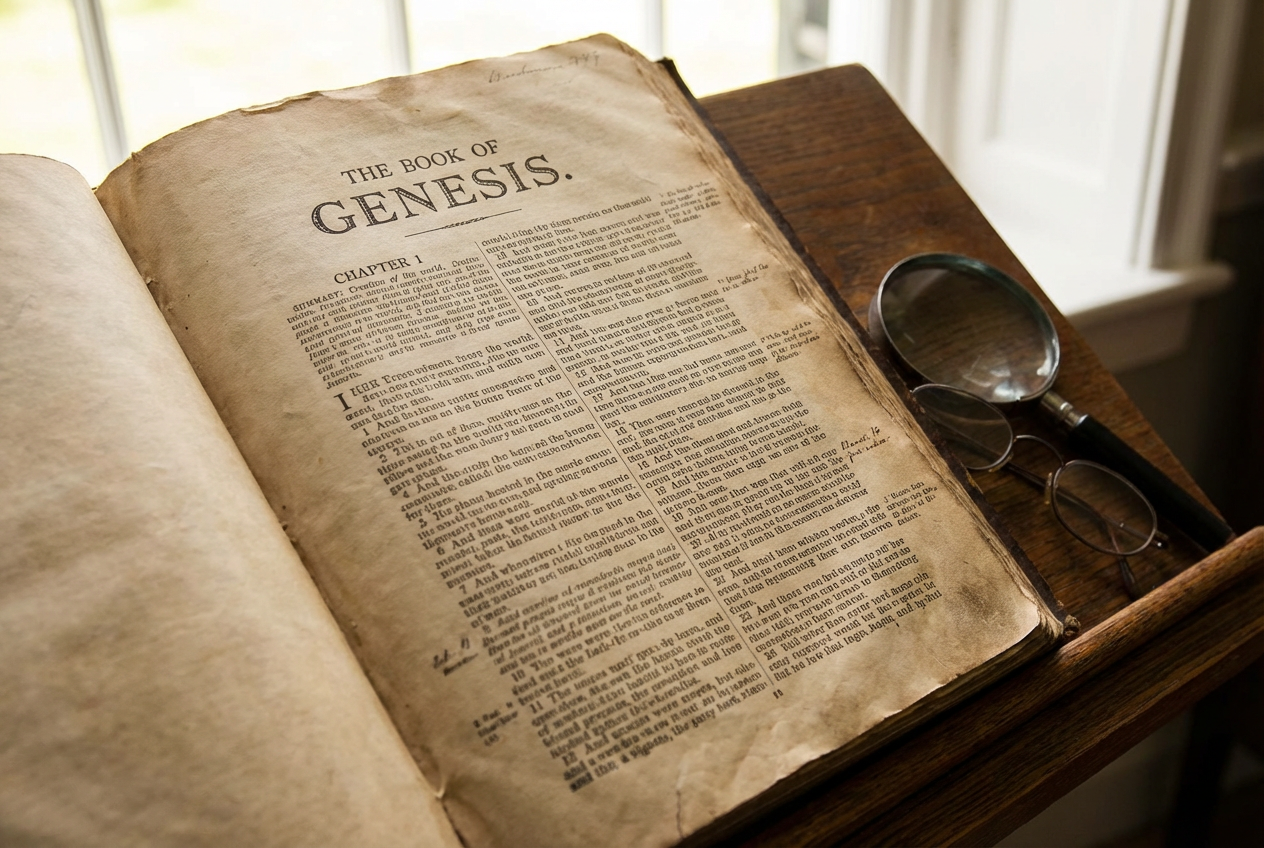
A Catholic Study Bible serves as a vital resource for anyone looking to deepen their understanding of Scripture within the context of Catholic teachings. Unlike standard Bibles, these editions include additional features such as commentary, maps, and historical context that help readers grasp the nuances of the text. For Catholics, the integration of tradition and doctrine is essential, making a study Bible an invaluable tool for personal reflection, group study, or preparation for sacraments.
Moreover, a Catholic Study Bible not only provides the biblical text but also connects it to the Church’s teachings and traditions. This connection is crucial for understanding how Scripture has been interpreted throughout history and how it applies to contemporary life. By engaging with a Catholic Study Bible, readers can explore the richness of their faith while gaining insights that may not be immediately apparent from the text alone.
Evaluating Different Translations and Versions
When selecting a Catholic Study Bible, one of the first considerations is the translation. There are several translations available, each with its own strengths and weaknesses. The New American Bible (NAB) is widely used in the United States and is known for its clarity and accessibility. On the other hand, the Revised Standard Version (RSV) is often praised for its literary quality and fidelity to the original texts. Each translation can influence how you understand and interpret Scripture, so it’s worth taking the time to explore them.
Additionally, some readers may prefer a more formal equivalence approach, which aims for word-for-word accuracy, while others might lean towards dynamic equivalence, which focuses on conveying meaning. Understanding these differences can help you choose a translation that resonates with your reading style and spiritual needs. It’s also helpful to consider how the translation aligns with your parish’s liturgical practices, as this can enhance your overall experience of Scripture.
Considering the Commentary and Study Notes

The commentary and study notes included in a Catholic Study Bible can significantly enhance your understanding of the text. These notes often provide historical context, theological insights, and explanations of difficult passages. They can help bridge the gap between ancient texts and modern life, making Scripture more relatable and applicable. When evaluating different editions, take a close look at the quality and depth of the commentary provided.
Some study Bibles offer extensive notes that delve into various interpretations and theological discussions, while others may provide more concise explanations. Depending on your level of familiarity with Scripture, you might prefer a Bible with more detailed commentary or one that offers straightforward insights. Ultimately, the right balance will depend on your personal study goals and how you plan to engage with the text.
Assessing the Background and Expertise of the Editors

The editors behind a Catholic Study Bible play a crucial role in shaping its content and perspective. Their backgrounds in theology, biblical studies, or pastoral ministry can greatly influence the quality of the commentary and notes provided. When choosing a study Bible, it’s beneficial to research who has contributed to it. Look for editors with reputable academic credentials or those who are well-respected within the Catholic community.
Additionally, consider whether the editors represent a diverse range of perspectives within Catholicism. A study Bible that incorporates various viewpoints can enrich your understanding of Scripture by exposing you to different interpretations and applications of biblical texts. This diversity can be particularly valuable in fostering a more comprehensive view of faith and practice.
Exploring Additional Resources and Features
| Criteria | Considerations |
|---|---|
| Translation | Choose a translation that is approved by the Catholic Church, such as the New American Bible (NAB) or the Revised Standard Version Catholic Edition (RSV-CE). |
| Study Notes | Look for a Bible with study notes that provide insights into the historical and cultural context of the scriptures, as well as explanations of difficult passages. |
| Commentaries | Consider a Bible with commentaries from reputable Catholic scholars to help deepen your understanding of the text. |
| Supplementary Material | Some Bibles include maps, charts, and timelines to aid in understanding the geographical and historical context of the Bible. |
| Size and Format | Choose a Bible that is comfortable for you to read and handle, whether it’s a compact edition for travel or a larger study Bible for in-depth reading. |
Beyond the text itself, many Catholic Study Bibles come equipped with additional resources that can enhance your study experience. These may include maps, timelines, charts, and even essays on key theological themes or historical contexts. Such features can provide visual aids that help you better understand the geographical and cultural backdrop of biblical events.
Some editions also offer online resources or companion websites that provide further materials for study. These can be particularly useful for group studies or personal reflection, allowing you to dive deeper into specific topics or themes. When evaluating different Bibles, consider what additional resources are available and how they might support your learning journey.
Determining the Size and Format of the Bible
Sure, here is the sentence with the clickable link:
I recommend checking out the Best Bible For Beginners if you’re new to studying the Bible.
The physical size and format of a Catholic Study Bible can significantly impact your reading experience. Some people prefer a compact edition that’s easy to carry around, while others might opt for a larger format that includes more extensive notes and illustrations. Consider where you plan to use your Bible—whether at home, in church, or during travel—as this will influence your choice.
Additionally, think about whether you prefer a hardcover or paperback edition. Hardcover Bibles tend to be more durable but can be bulkier, while paperback versions are lighter but may wear out more quickly. There are also options for digital formats if you prefer reading on a tablet or smartphone. Each format has its advantages; it’s all about finding what works best for your lifestyle.
Reflecting on Personal Preferences and Needs
Your personal preferences and needs should guide your choice when selecting a Catholic Study Bible. Consider what aspects of Scripture resonate most with you—whether it’s historical context, theological insights, or practical applications for daily life. Reflecting on how you plan to use the Bible can help narrow down your options.
For instance, if you’re looking for a resource to support group discussions or catechesis, you might prioritize a study Bible with extensive commentary and discussion questions. Conversely, if you’re seeking something for personal meditation or prayer, you may prefer a version that emphasizes spiritual reflections over academic analysis. Understanding your own goals will make it easier to find a Bible that truly meets your needs.
Seeking Recommendations and Reviews
Before making a final decision on which Catholic Study Bible to purchase, it’s wise to seek recommendations from trusted sources. This could include friends, family members, or clergy who have experience with different editions. Their insights can provide valuable perspectives on what works well in practice.
Online reviews can also be helpful in gauging the strengths and weaknesses of various Bibles. Look for feedback from users who share similar interests or needs as yours; this can give you a clearer picture of how a particular edition might serve you. However, keep in mind that personal preferences vary widely—what works for one person may not resonate with another.
Understanding the Role of Tradition and Authority
In Catholicism, tradition and authority play significant roles in interpreting Scripture. A good Catholic Study Bible should reflect this understanding by incorporating teachings from Church Fathers, councils, and papal documents alongside biblical texts. This connection helps readers appreciate how Scripture has been understood within the Church throughout history.
When evaluating different editions, consider how well they integrate these elements into their commentary and notes. A study Bible that acknowledges tradition can provide deeper insights into how certain passages have been interpreted over time and how they relate to contemporary issues facing Catholics today.
Embracing the Diversity of Catholic Study Bibles
Catholic Study Bibles come in various styles and approaches, reflecting the diversity within the Church itself. Some editions may focus more on academic scholarship, while others might emphasize pastoral application or spiritual reflection. Embracing this diversity allows you to find a Bible that aligns with your own approach to faith and study.
As you explore different options, keep an open mind about what each edition offers. You might discover that an approach you hadn’t considered resonates with you more than expected. This exploration can enrich your understanding of Scripture and deepen your faith journey.
Making an Informed Decision and Commitment
Ultimately, choosing a Catholic Study Bible is about making an informed decision that aligns with your spiritual journey. Take your time to evaluate different translations, commentaries, features, and formats before settling on one that feels right for you. Remember that this is not just about finding a book; it’s about finding a companion for your faith journey.
Once you’ve made your choice, commit to engaging with it regularly—whether through personal study, group discussions, or prayerful reflection. A Catholic Study Bible can be a powerful tool for growth in faith when approached with intention and openness. By investing time in understanding Scripture through this lens, you’ll likely find new dimensions to your faith that enrich your life in meaningful ways.