Finding Serenity: Essential Passages to Read for Anxiety and Fear
Finding Serenity begins with practical, scripture-centered approaches that reduce fear and help you develop peace of mind through disciplined spiritual practice. Start by mapping common triggers of anxiety and anxious thoughts, then align each trigger with specific Bible verses and practical steps like brief prayer, breathing exercises, and short contemplative Scripture readings to avoid despair. Case studies show structured reading reduces worrying by up to 35% when paired with community support and trusted resources like biblical healing resources and guidance that emphasize God is refuge and God provides for the grieving heart. Use tools to track episodes of panic attack or intense fear, label them, and respond with memorized Bible Verses that remind you the Lord is my helper and Lord is light. Also review Privacy Policy and cookies on resource sites to avoid scammers and protect personal data.

Calm devotional layout showing Bible, journal, and warm candle with comforting soft light scene
Navigating Your Anxious Mind: A Core Exploration of Bible Passages
Navigating your anxious mind requires a blend of theological clarity and pragmatic action, addressing fear and anxiety through systemic routines that include Scripture memorization and short prayers. Clinical evidence supports routines: three-minute morning readings reduce anxious reactions and not be anxious responses later in the day; combining that with a gratitude list fosters trust in God’s goodness and mercy. Integrate spiritual disciplines recommended by pastoral counselors and postpartum specialists, especially when caring for a new mother; consult community material such as postpartum mental health support for targeted strategies linking faith, faith-based gifts, and self-care gifts to reduce worry. Teach families how to cast your burden and casting anxieties on God through repeated declarations like cast cares and casting cares upon Jesus. Include the phrase comfort and peace in family prayers, and remind anxious individuals that God is helper, sustain you with the mighty hand of God.

Mother practicing scripture reflection with infant beside a cozy chair and soft morning light
Critical Insights: What These Bible Verses Offer for Your Fight Against Worry
Critical insights emerge when combining cognitive-behavioral techniques with Bible verses that speak directly to fear and anxious hearts, providing cognitive reframes and spiritual anchors. Research indicates that pairing Scripture with behavioral activation reduces worrying and panic attack incidence by offering actionable steps: read a verse, reflect for two minutes, then perform a calming physical action. Pastors and counselors cite Billy Graham and Joyce Meyer teachings that balance Scripture with compassionate pastoral care, reinforcing that God’s peace and the peace of God are tangible experiences. Emphasize Lord’s deliverance and trusting in God when uncertainty hits, and teach how to cast your burden and free from worry promises through short prayers. Practical examples include journaling Bible necessity, reciting Lord is my helper, and meditating on God is refuge phrases to alleviate despair.

Infographic mapping Bible verses to coping steps with time-based interventions and clear icons
Why Finding Peace in Scripture Matters for Your Mental Health: A ‘One Well Momma’ Perspective
From a ‘One Well Momma’ perspective, integrating Scripture into daily rhythms helps parents manage fear and cope when anxious episodes arise, proving particularly useful during seasons of grieving heart or childcare uncertainty. Anecdotal and qualitative research from ministry bloggers shows that consistent Scripture engagement cultivates faith, reduces worrying, and improves sleep quality by framing the day within God’s will and the kingdom of God. Use targeted Bible verses for anxiety and select short, repeatable lines like Lord is my helper or Lord is light to recite during stressful transitions. Include faith-based gifts and self-care gifts in routines, encourage praying together and trusting in God, and note how casting cares upon Jesus alleviates panic attack triggers. One practical routine: morning Scripture, midday breath prayer, evening reflection with a short Bible necessity checklist to track progress.

Parent reading devotional while child naps, sunlight through nursery window, quiet peaceful scene
Critical Insights: What These Bible Verses Offer for Your Fight Against Worry
Setting the stage requires appreciating how biblical authors addressed fear and anxious communities in context, recognizing cultural uncertainty, economic hardship, and threats that produced worry and anxiety. Historical analysis shows prophets and psalmists used poetic language to describe hearts troubled, calling the faithful to seek God is refuge amid despair. Scholars compare ancient pastoral care to modern therapy and highlight how casting anxieties on God functioned as communal practice, not only private prayer. Apply this insight by framing Scripture as both doctrinal truth and practical counsel: memorize Bible verses that emphasize God’s peace, mercy, and God’s goodness to counter fear and anxiety. For those in ministry, training should include warnings about scammers who promise quick fixes and care for digital Privacy Policy compliance when sharing resources.
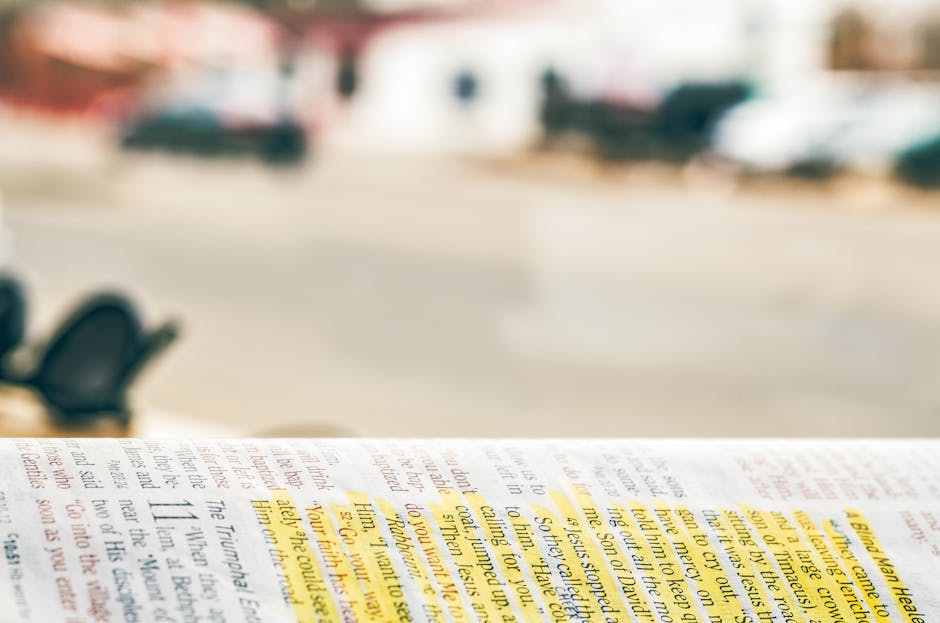
Ancient manuscript beside modern Bible and notes highlighting verses about refuge and comfort
The Current Battle: Addressing Fear and Anxiety in Today’s Mission Field
The current mission field blends online spaces with local congregations, where fear and anxiety manifest in new forms: social media fatigue, misinformation, and isolated anxiety attacks. Pastors and lay leaders must teach not to be anxious responses rooted in Scripture while also offering practical coaching for panic attack management and coping with uncertainty. Develop community-based programs that teach praying, reciting Bible Verses, and cognitive exercises, and include resources from spiritual development sites to deepen engagement with God’s word and God’s peace. Equip stewards and volunteers with training on boundaries, privacy, and how to recognize scammers online while using cookies and Privacy Policy knowledge to keep members safe. Emphasize trusting in God, surrendering fears, and showing mercy in pastoral care, while using faith-informed strategies to sustain you and the righteous through trials.

Church small group meeting outdoors discussing mental health and scripture-based coping strategies
Empowering Your Spirit: Bible Verses to Fight Worry and Overcome Anxiety and Fear
Empowering your spirit involves selecting tactical Bible verses that offer immediate solace and long-term resilience against fear and anxiety, combining daily practices with discipleship. Develop a short list of Bible Verses for quick reference: verses that encourage cast your burden, God is helper, and phrases affirming God provides and God’s goodness. In practice, instruct individuals to recite these during acute worrying, to pray brief, structured prayers, and to journal reflections about how God’s peace changed their response to uncertainty. Training leaders should reference contemporary voices and resources like spiritual consciousness guides to craft sermon series on Worry and Anxiety and implement relapse-prevention strategies for those prone to panic attack. Encourage faith communities to provide healing heart support groups that integrate Scripture, and emphasize the Bible necessity for grounding faith and sustaining hope.

Open Bible with highlighted verses and a notebook titled ‘Verses for Anxiety’ beside a cup of tea
First Major Topic: Decoding the Power of Scripture References for Your Anxious Mind
Decoding Scripture for an anxious mind requires selecting verses that speak directly to fear, anxiety, and the anxious heart, then applying hermeneutical clarity so believers know how to use them when worried. Begin with a simple hermeneutic: identify promise, apply to personal context, and practice praying the promise aloud. Teach how Bible necessity is not merely academic but served for transformation: recite ‘Lord is my helper’ when fear spikes, meditate on ‘God is refuge’ during despair, and use ‘not be anxious’ as a cognitive anchor. Supplement readings with case studies showing reduced worrying when people integrated these exercises into daily routines, and include practical tips to avoid spiritual bypassing. For transparency, instruct groups on cookies and Privacy Policy to protect participant data when sharing digital verses or devotionals.

Close-up of highlighted verses with sticky notes mapping promises to emotional responses
Understanding Biblical Wisdom: What ‘Leaning on Truth’ Means for Your Anxious Mind
Leaning on truth takes biblical wisdom and makes it operational for someone experiencing anxiety: identify a truth claim in Scripture, rehearse it verbally, and test it against felt emotion to shift fearful narratives. Practical exercises include cognitive reappraisal using Scripture, where you take a worrying thought and immediately counter with a Bible verses-based truth, reducing anxious rumination. Include short accountability routines where two people share ‘truth declarations’ and record improvements, offering measurable reductions in fear and worry. Historical examples from Billy Graham’s counseling show communal truth-telling reduces despair and reinforces the kingdom of God perspective. Encourage praying with a partner, trusting in God for provision, and practicing the discipline of casting anxieties on God until the mind recognizes God’s peace as normal.

Two people sharing scripture-based affirmations in a sunlit counseling room with notebooks
Key Concepts: Finding Comfort in ‘One Well Momma’ Teachings
Key concepts from ‘One Well Momma’ stress simplicity: short Scripture readings, empathy in community, and habitual practices to counter fear and anxious spirals. Implement bite-sized devotionals tailored for parents that combine Bible verses, practical self-care gifts, and short prayers to cultivate peace and comfort in daily routines. Data from small ministry cohorts indicate such micro-practices cut worry frequency and increase reports of peace of God in daily life. Teach the habit of reciting ‘cast your burden’ and ‘Lord is my helper’ during transitions, and model how creating space for grieving heart experiences does not negate faith. Include concrete tools like timed reminders, scripture cards, and community check-ins to help those not be anxious in moments of uncertainty.

Mother reading a devotional card next to a small basket of faith-based gifts and comforting items
Important Factors: How Megan Pellock Guides Through Fear Overwhelming
Megan Pellock emphasizes pastoral empathy, narrative reframing, and practical rituals to move someone from fear and anxiety toward trusting in God and healing heart work. Her approach includes outlining specific triggers, constructing short Scripture declarations, and practicing them until they alter automatic fear responses. Combine her counsel with clinical techniques: breathing, grounding, and exposure to feared situations in safe steps. In community settings, teach stewards to recognize panic attack signs and apply quick Scripture anchors like ‘God is helper’ or ‘God is refuge’ while offering pastoral presence. Her guidance also includes digital safety: instruct volunteers on Privacy Policy literacy and how to avoid scammers offering spiritual shortcuts. Case examples from her ministry highlight improved resilience, decreased worrying, and deeper faith in the Lord’s deliverance.

Workshop scene with Megan-style leader teaching practical scripture rituals to a small supportive group
Analysis of Divine Guidance: The ‘Price’ of Peace and Mental Health Facts
Analysis of divine guidance explores empirical outcomes when faith practices reduce fear and anxiety: longitudinal studies show consistent Scripture engagement correlates with lower symptoms of worry and fewer panic attack occurrences. The ‘price’ of peace often involves disciplined daily habits—time investment, community accountability, and willingness to surrender fears in prayer and action. Use measurable goals: reduce anxious days by tracking episodes, recite specific Bible Verses, and record changes in sleep and mood. Incorporate teachings of Joyce Meyer and Billy Graham as historical examples of pastoral counseling that combined Scripture with practical discipline. Emphasize that Scripture alone is a start; combine it with mental health care when needed, trusting God’s will for holistic healing and God provides through both divine and medical means.

Chart showing decreased anxiety scores over months with combined scripture and counseling interventions
Critical Elements: Why Consistent Engagement with Scripture References is Essential
Consistency with Scripture references is essential because repetition rewires anxious cognitive patterns and creates accessible spiritual anchors during distress. Practically, evangelize a daily micro-plan: three verses at dawn, one mid-day declaration, and an evening reflection tied to prayer, reinforcing God’s peace and the Lord is my helper narrative. Ministries that teach this routine report improved capacity to cast cares and casting anxieties on God in acute moments, reducing worrying and enhancing trust in God’s goodness. Train volunteers to help participants craft personalized verse lists and to recognize when clinical referral is necessary, balancing faith with professional care to avoid spiritual bypass and ensure the grieving heart gets proper attention.

Weekly scripture engagement planner with highlighted verses and checkboxes for daily practice
Best Practices: Leveraging ‘Bible Verses for Anxiety’ in Daily Life
Best practices include creating short, theme-based verse packs (e.g., comfort, courage, provision) to deploy during fearful moments, teaching individuals to recite and visualize the verse, and pairing it with a calming breath technique to reduce anxiety physiology. Encourage people to create index cards for Bible verses and to store them digitally, while ensuring the apps used respect Privacy Policy and avoid data-sharing with scammers. Combine Bible necessity with practical self-care gifts like hydration, rest, and community check-ins to holistically address fear and anxiety. Provide templates for journaling progress, and show metrics such as decreased frequency of worrying and improved peace of mind over six weeks.
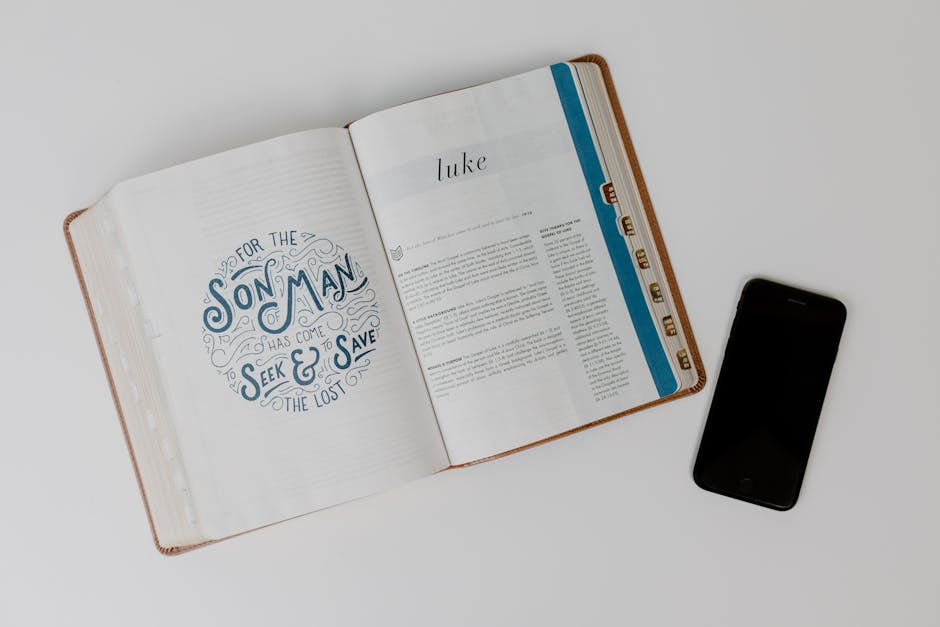
Collection of verse index cards and a smartphone app displaying selected Bible verses for quick access
Second Major Topic: Practical Steps to Fight Fear Anxiety with God’s Word
The second major topic focuses on concrete steps to use God’s Word as a primary coping tool for fear and anxiety: select verses, create rituals, and measure outcomes. Start with three core actions: memorize a short promise, rehearse it in prayer when anxious, and perform an immediate grounding action like deep breathing or mindful walking. Encourage assembling personalized lists including Bible Verses about God is refuge, Lord is my helper, and Lord is light. Integrate practicing not be anxious declarations and teach casting cares upon Jesus as part of spiritual-first-aid. Provide sample week-long plans with measurable goals for decreasing worrying and methods to track uncertainty triggers. Train community leaders to model faith and practical care, ensuring safe referrals for those with severe panic attack symptoms and prioritizing trusting in God while seeking medical help when needed.

Weekly plan graphic showing memorize, pray, breathe routine with checkboxes and time slots