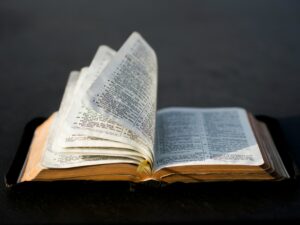
Some Bible reading plans look great on a screen and then quietly fall apart in real life. A few missed days, too many boxes, or a layout that feels confusing can turn a good intention into another unfinished page. That is why bible reading plans printable continue to help so many believers. They give structure you can see, hold, mark up, and return to without opening another app or trying to remember where you left off.
A printable plan is simple, but that simplicity matters. When your reading path is already organized, you spend less energy deciding what to read and more energy actually reading Scripture. For busy parents, small group leaders, church volunteers, and anyone trying to build a steady habit, that kind of clarity can make a real difference.
Why printable Bible reading plans still work
Digital tools are useful, and for some people they are the best option. But printable plans solve a few common problems that screens do not always solve well. A printed page can sit in your Bible, on your kitchen table, or by your favorite chair. It becomes part of your routine instead of another item hidden behind notifications.
Printables also make progress visible. There is something encouraging about checking off a reading, circling a missed day, or writing one short note beside a passage. You do not need a complicated system. You just need a clear next step.
For families and groups, paper is often easier to share. A parent can hand a child a simple plan. A leader can print copies for a Sunday school class or youth group. Everyone can follow the same reading schedule without needing to download anything or learn a new platform.
What makes bible reading plans printable actually useful
Not every printable plan is equally helpful. The best ones are not just attractive. They are clear, realistic, and easy to follow over time.
A useful plan starts with a manageable pace. Some readers thrive with a full-year plan through the whole Bible. Others do better with a shorter path through one Gospel, the Psalms, or key passages on a topic like prayer or faith. A plan that is too ambitious for your current season can create guilt instead of consistency.
Good layout matters too. A clean printable should show the date or sequence, the assigned reading, and enough space to mark progress. If the page is crowded, people stop using it. If it is too vague, they lose their place. The goal is not decoration. The goal is usability.
It also helps when a plan has a clear purpose. Some printables are designed for beginners who need a straightforward way to start reading the Bible. Others work better for people studying themes, preparing to teach, or guiding family devotions. When the purpose is obvious, the plan feels less random and more supportive.
Choosing the right printable plan for your season
The best Bible reading plan is not always the longest or most impressive one. It is the one you will actually follow.
If you are new to regular Bible reading, start smaller than you think you need to. A 30-day Gospel plan or a New Testament schedule may serve you better than trying to cover the entire Bible right away. Finishing a smaller plan builds confidence and helps establish a habit.
If your schedule changes from week to week, look for a flexible printable rather than a strict dated plan. A numbered plan lets you pick up where you left off instead of feeling behind the moment you miss Tuesday. That small change can remove a lot of pressure.
Parents often need plans that can work in short windows of time. A printable with one passage a day and a simple discussion prompt can fit family devotions better than a dense chapter list. Group leaders may need plans that are easy to duplicate, explain, and use across different ages or Bible knowledge levels.
And sometimes the right plan depends on your spiritual need, not just your calendar. If you are walking through grief, stress, or uncertainty, a topical printable centered on hope, peace, or God’s promises may be more nourishing than a broad reading schedule. Structure is helpful, but it should still serve the person using it.
Common types of printable Bible reading plans
Some formats work especially well because they match real reading goals. A whole-Bible plan gives readers a long-range path and helps them see the full story of Scripture. It is valuable, but it requires steadiness and patience.
A New Testament plan feels more approachable for many people. It keeps the focus on Jesus, the early church, and the core message of the gospel. For newer believers, this can be less overwhelming.
A Gospel-only plan is often ideal for personal renewal, outreach, or family reading. It keeps attention on the life and teachings of Christ. A Psalms and Proverbs plan works well for people who want a daily rhythm of worship, wisdom, and prayer.
Topical printables are useful when readers need guidance around a specific area. These plans may focus on anxiety, forgiveness, discipleship, gratitude, or spiritual growth. They do not replace reading whole books of the Bible, but they can provide focused encouragement for a season.
Chronological plans appeal to readers who want to follow the Bible’s events in timeline order. That approach can deepen understanding, though it may feel less intuitive for those who are still learning how the Bible is organized. The right choice depends on whether your main goal is coverage, clarity, depth, or consistency.
How to use a printable plan without falling behind
One reason people stop using reading plans is that they treat every missed day like failure. A printable should help you continue, not make you feel stuck.
Try keeping your plan where you already spend time. Tuck it inside your Bible, place it near your coffee maker, or keep it in a folder with your church notes. If it is visible, it is easier to remember. If it disappears into a drawer, your routine usually disappears with it.
Use a pen, highlighter, or pencil freely. Mark completed readings, write one sentence of reflection, or note a verse to return to later. A printable plan becomes more useful when it turns into a record of what God is teaching you, not just a checklist.
If you miss several days, resist the urge to quit. You can catch up if that helps, but you do not have to. Many readers do better by simply starting with the current day or the next unread passage. The point is to keep engaging Scripture.
It also helps to pair your reading with one small question. What does this passage show me about God? What stands out? What needs prayerful obedience in my life? Even a short response can turn routine reading into meaningful attention.
Using printable plans in families and groups
Printable plans are especially helpful when more than one person is involved. In families, they create a shared path without requiring a parent to plan every reading from scratch. A simple sheet with daily passages can turn Bible time from vague intention into a repeatable rhythm.
For children or teens, shorter readings are often better. A plan does not need to cover large sections to be effective. It needs to be clear enough that young readers can participate and discuss what they read. In many cases, one passage and one question is enough.
For church leaders, printables save preparation time. They can support a youth group series, a women’s Bible study, a men’s group, or a short discipleship track for new believers. BibleHealed.com serves this kind of need well by focusing on resources people can actually use, print, and share.
The trade-off is that group printables usually need to be simpler than personal ones. A highly detailed plan may be great for individual study but harder to explain to a room full of mixed ages and backgrounds. If the plan is for a group, clarity should win every time.
When a printable plan is not enough on its own
A reading plan can give structure, but it cannot create hunger for God by itself. It is a tool, not the goal. Some seasons call for more than checking boxes. You may need extra time to pray, to reread one chapter slowly, or to sit with a difficult passage.
That does not mean the plan failed. It means the plan did its job by leading you into Scripture. Sometimes the most fruitful day is the one where you read less and pay closer attention.
If a printable starts to feel mechanical, adjust it. Slow down. Choose a shorter plan. Add a journal line or a prayer prompt. The best resource is the one that keeps helping you return to God’s Word with honesty and expectancy.
A good printable Bible reading plan gives you something simple but valuable: a clear place to begin again tomorrow. And for most of us, that is exactly what helps Scripture become a steady part of everyday faith.
Start your Bible reading journey with a printable reading plan: Bible Reading Plan With Downloadable PDF