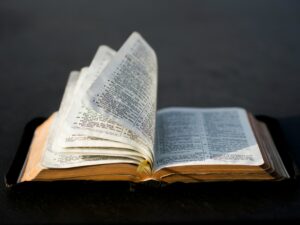
A Sunday school teacher often has only a few minutes between welcoming families, finding extra pencils, and helping a child settle into the room. A bible lesson printable for sunday school gives those minutes a purpose. It puts the Bible passage, the main truth, and a meaningful response in one usable place, so the class can spend less time getting organized and more time hearing God’s Word.
A good printable is not meant to replace an open Bible, prayer, or caring conversation. It is a simple guide that helps children, teens, and adults follow along. Whether you teach a weekly children’s class, lead a youth group, or gather your own family around the table, a well-planned page can make Scripture feel more approachable and memorable.
What Makes a Bible Lesson Printable Useful?
The best printable lesson is clear before it is clever. Children should be able to see what passage they are studying, understand the central idea, and know what they are being invited to do with what they learned. A page crowded with tiny text, complicated instructions, or too many unrelated activities can distract from the message.
Start with Scripture. The lesson should name the Bible passage and encourage learners to read it, hear it read aloud, or retell it in their own words. A printable can include selected verses, but it should also point students back to the Bible itself. This builds a lifelong habit: God’s truth is found in His Word, not merely in a worksheet.
It also helps to focus on one main truth. For example, a lesson on Jesus calming the storm might center on this truth: Jesus is with us when we are afraid. That simple sentence gives direction to the discussion, activity, and prayer time. It keeps the class from trying to cover every possible detail in one sitting.
Finally, an effective printable offers a response. Learners may answer a question, draw a scene, match a verse reference, write a prayer, or practice a memory verse. The response does not need to be elaborate. It simply gives them a way to pause and let the lesson move from their ears to their hearts.
Choose the Right Bible Lesson Printable for Sunday School
Not every printable works for every room. A coloring page may serve preschoolers beautifully, while middle school students may need discussion prompts that respect their growing questions. The passage, the age group, and the time available all matter.
For younger children, choose lessons with short directions, large print, simple visuals, and hands-on interaction. They learn through repetition and participation. A printable might ask them to circle a picture, put events in order, trace a key phrase, or draw one way they can show kindness this week.
Elementary-age children are ready for more Bible discovery. They can find a verse, identify people in the story, compare choices, and connect the lesson to school or family life. They still benefit from active learning, so include room for writing, drawing, or a simple partner activity.
Teens need space for honest reflection. Avoid materials that sound childish or assume every question has a quick answer. A printable for youth can include the passage, a few open-ended questions, a practical scenario, and a private prayer response. For instance, a lesson on Daniel can invite students to consider how they can remain faithful when fitting in feels easier.
Adults and mixed-age groups often benefit from a simpler study sheet with a passage, observation questions, and room for notes. The goal is not to make everyone complete the page in the same way. The goal is to help everyone engage the same truth at an appropriate level.
When choosing or creating a resource, look for these four essentials:
- A clearly identified Bible passage and main lesson
- Questions that encourage conversation rather than only right-or-wrong answers
- An activity that reinforces the Scripture instead of competing with it
- A personal application or prayer prompt for the week ahead
A Simple Sunday School Lesson Flow
A printable works best when it supports the rhythm of the class. Handing out papers at the beginning can be helpful, but do not feel pressure to make children complete every section immediately. Often, a better approach is to use the page gradually as the lesson unfolds.
Begin by welcoming students and helping them connect. A brief question related to the lesson can open the room, such as, “What helps you feel safe when you are worried?” This prepares children to listen without giving away every answer before they encounter the Bible story.
Next, read the passage. If the group includes younger children, tell the story with an open Bible nearby and invite them to listen for a repeated word or important action. Older students can take turns reading verses aloud. Encourage them to notice what the passage actually says before asking what it means for them.
Then use the printable for discussion. Rather than reading every question in order, select the two or three that best fit your group. Ask follow-up questions with warmth. If a child gives a short answer, gently ask, “What makes you think that?” If a teen shares something personal, thank them for trusting the group. A printable should support real conversation, not turn the lesson into a test.
After discussion, complete the activity or response section. This may be a word puzzle, a timeline, a drawing prompt, or a short written prayer. Keep an eye on time. It is better to finish one meaningful activity and pray together than to rush through three pages simply because they were printed.
Make Printables Feel Personal, Not Routine
Even a beautiful resource can become routine if it is used the same way every week. Small changes help learners stay engaged. Some weeks, complete the page together on the floor or around tables. Other weeks, let students work in pairs. You might read the memory verse with different voices, invite volunteers to act out part of the story, or let children decorate a verse card to take home.
The trade-off is preparation. More variety can require more supplies and more time, which is not always realistic for volunteers. There is nothing wrong with a straightforward lesson sheet, especially when it is rooted in Scripture and taught with care. Consistency matters too. Children are often encouraged by knowing that each week they will read the Bible, talk about it, pray, and take home a reminder of God’s truth.
Consider sending the printable home when possible. A parent may not have time for a full lesson repeat, but one question at dinner can create a valuable connection. Add a simple family prompt, such as, “Ask your child to tell you one thing Jesus did in today’s passage,” or, “Read the memory verse together before bed.” This helps Sunday school become part of the week, not just one hour on Sunday.
Keep the Focus on Jesus and Daily Faith
Every Bible lesson does not need to force the same application, but every lesson can point learners toward God’s character and His work. In the Old Testament, help students see God’s faithfulness, holiness, mercy, and promises. In the Gospels, let them notice Jesus’ compassion, authority, sacrifice, and invitation to follow Him. In letters such as James or Ephesians, help them consider how faith shapes everyday choices.
Be careful not to reduce Scripture to behavior alone. Children do need guidance about obedience, kindness, truthfulness, and forgiveness. But the deeper message is not, “Try harder so God will be pleased with you.” The good news is that God loves us, calls us to Himself, and changes us as we trust Him. A printable can reinforce this by including grace-filled questions such as, “What can you ask Jesus to help you with this week?”
A page of paper may seem small, but used prayerfully, it can become a reminder carried into a backpack, placed on a refrigerator, or revisited during a hard moment. Teach the passage faithfully, make room for questions, and trust God to use His Word in the hearts gathered before you.