If you have ever opened a children’s Bible plan and thought, This is either too much, too random, or too hard to keep going, you are not alone. The best bible reading plans for kids do not simply assign chapters. They give children a clear path, a manageable pace, and enough structure to help Scripture feel familiar instead of overwhelming.
That matters because kids rarely build a Bible habit by accident. Most need a plan that matches their age, attention span, reading level, and home routine. A strong plan helps parents, grandparents, and church leaders move from good intentions to daily practice.
What makes bible reading plans for kids effective?
A good kids’ plan is simple enough to follow and meaningful enough to repeat. That sounds obvious, but it is where many reading plans fail. Some cover too much text too fast. Others reduce Bible reading to a checkbox without helping children understand what they are reading.
The most effective plans usually do three things well. They keep readings short, they follow a clear theme or sequence, and they leave room for one basic response such as a question, a prayer, or a sentence about what the child learned. Kids do not need a complicated study method. They need a steady rhythm.
It also helps to remember that not every child should use the same kind of plan. A first grader who is listening to Scripture read aloud needs something different from a middle schooler who can read independently and write reflections. The goal is not to force one format on every child. The goal is to help each child keep showing up in God’s Word.
1. A 30-day Gospel reading plan
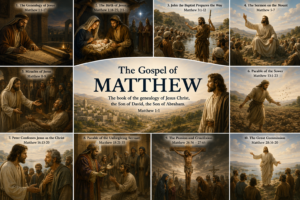
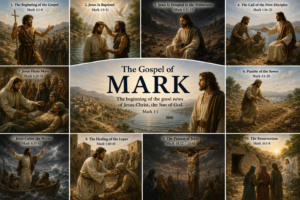
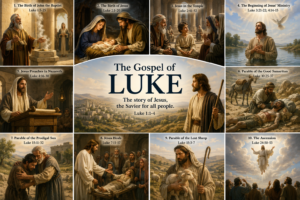
If you are starting from scratch, this is often the easiest place to begin. A Gospel plan walks kids through selected stories from the life of Jesus over 30 days. The readings can include His birth, calling disciples, miracles, parables, death, and resurrection.
This type of plan works well because children quickly begin to recognize who Jesus is and what He did. It creates continuity without requiring them to read long sections of Scripture. For younger kids, you can read aloud and ask one question after each passage. For older kids, have them write one thing they learned about Jesus that day.
The trade-off is that a Gospel plan gives a focused picture, not a full overview of the Bible. That is not a problem for beginners, but it helps to know what the plan is designed to do.
2. A Bible overview plan for kids
Some children do better when they can see the big story. A Bible overview plan moves through major events from Genesis to Revelation in short, selected readings. Instead of reading every chapter, it highlights creation, the fall, Noah, Abraham, Moses, David, the prophets, Jesus, the early church, and the hope of Christ’s return.
This format is especially helpful for families and children’s ministry leaders who want kids to understand that the Bible is one connected story, not a pile of disconnected lessons. It gives children categories. They start to see where people and events fit.
This plan works best when an adult briefly explains transitions. Without that help, younger children may struggle to connect one reading to the next. If you use this format, keep the explanation short and clear.
3. A character-based reading plan
A character plan centers each week or day on a Bible person such as Joseph, Ruth, Samuel, Esther, Peter, or Paul. Kids read selected passages connected to that person’s life and talk about what they can learn from faith, obedience, courage, repentance, or trust.
This kind of plan is engaging because children naturally connect with people and stories. It can be especially useful in Sunday school, homeschool, or family discipleship settings where you want a clear teaching theme.
Still, character plans need balance. The Bible is not mainly a collection of role models. It is the story of God’s work in history and His salvation through Christ. A character-based plan is strongest when it moves beyond Be brave like David and also shows how the account points to God’s faithfulness and power.
4. A topic-based reading plan
A topic plan organizes Bible readings around themes children already understand, such as prayer, kindness, forgiveness, courage, obedience, or God’s love. This can be a strong option if a child is walking through a specific struggle or if your family wants to reinforce a spiritual habit.
Topic-based plans are practical because they connect Scripture to everyday life very quickly. They also work well in short seasonal stretches, like a two-week family plan on gratitude or a month-long plan on prayer.
The caution is that topical reading can become scattered if the passages are not chosen carefully. It helps when the plan includes a simple thread so children see not only what the Bible says about the topic, but how that truth fits within God’s larger message.
5. A five-day family Bible reading plan
Not every household can sustain seven days of formal Bible reading time, and pretending otherwise often leads to guilt. A five-day plan can be a better fit for real family life. You read Scripture together on weekdays or five chosen days, then leave flexibility for weekends.
For many families, this is the plan that actually lasts. It respects the reality of sports, school events, tired evenings, and changing schedules. Consistency matters more than frequency that only works for one week.
A five-day plan also gives room to repeat memory verses, review what was learned, or catch up if you miss a day. For kids, that margin can make Bible reading feel steady instead of rushed.
6. A read-and-respond plan for independent readers
Older elementary kids and middle schoolers often benefit from a plan that adds one written response after each reading. The reading stays short, but the child answers a prompt such as What does this passage teach me about God? What stands out? What should I pray about today?
This format helps move Bible reading from passive to personal. It builds attention, recall, and basic understanding without requiring advanced Bible study skills. It is also useful in Christian schools, youth groups, and at home because it gives adults something concrete to discuss.
The key is to keep the response portion simple. If the writing feels like homework, some kids will disengage. One thoughtful sentence is often better than a long worksheet.
7. A Psalm and Proverb plan
For kids who need short daily readings, Psalms and Proverbs can be a wise choice. Psalms teaches children how to speak honestly to God with praise, fear, joy, and trust. Proverbs gives practical wisdom about words, choices, friendships, and self-control.
This plan works especially well for short morning routines or school-day devotions. Even a few verses can lead to meaningful discussion. If your child is easily overwhelmed by long narrative readings, this can offer a gentler entry point.
The limitation is that wisdom books alone do not provide a full picture of the Bible’s storyline. They are best used as a focused season of reading or paired with another plan over time.
8. A seasonal or holiday Bible reading plan
Sometimes the best plan is the one that fits the season your family is already in. An Advent reading plan, Easter plan, summer plan, or back-to-school Scripture plan can create a natural starting point. Children often respond well when the plan connects to something visible in the calendar.
Seasonal plans are also helpful for churches and parents who want to reset habits without committing to a full-year schedule right away. A two- or four-week plan feels doable, and success in a short season often builds confidence for the next one.
Just be careful not to treat seasonal reading as the only time Scripture gets attention. It works best as a strong on-ramp, not the whole road.
How to choose the right Bible reading plan for your child
Start with reading ability, but do not stop there. Attention span, interest level, and family rhythm matter just as much. A child may read well and still need shorter passages. Another may enjoy listening more than reading alone. The right plan is the one your child can follow with reasonable consistency.
It also helps to think about your purpose. If your goal is introducing Jesus, choose a Gospel plan. If your goal is seeing the big picture, choose an overview plan. If your goal is helping with a specific spiritual theme, choose a topic-based plan. Different goals call for different tools.
For ministry settings, simplicity matters even more. If you are choosing a plan for a class, small group, or children’s church, use a format that busy families can continue at home without extra training. That is often where structured, easy-to-use resources from places like BibleHealed can be especially helpful.
How to make the plan stick
The plan itself matters, but the routine around it matters too. Pick a repeatable time, keep the reading short, and avoid turning every session into a long lesson. Kids benefit from predictability. When they know what to expect, resistance usually drops.
It also helps to celebrate faithfulness, not perfection. If you miss a day, do not treat the plan as ruined. Just start again. Children learn a lot from watching adults return to Scripture with peace instead of frustration.
Finally, let the Bible feel warm in your home or classroom. Read with sincerity. Ask simple questions. Pray briefly. Over time, children begin to associate Scripture not only with instruction, but with comfort, truth, and knowing God.
A good reading plan does more than organize chapters. It gives children a repeatable way to meet with God in His Word, one day at a time.