
The Parable of the Workers In the Vineyard: Verse, Meaning and Lesson
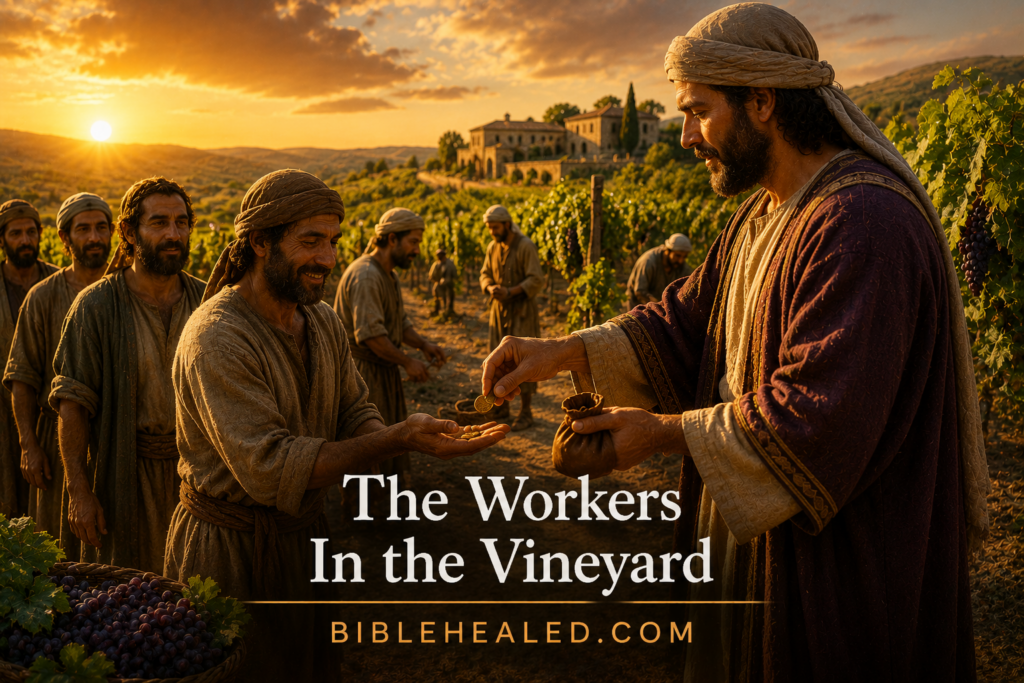
The Parable of the Workers In the Vineyard is one of Jesus’ most important teachings about grace, generosity, humility, and the nature of God’s Kingdom. This parable appears in Matthew 20:1-16. In the story, a landowner hires workers for his vineyard at different times throughout the day. Some begin early in the morning, while others are hired much later, even near the end of the workday. Surprisingly, when evening comes, every worker receives the same wage regardless of how long they worked.
At first, the parable appears unfair from a human perspective because those who worked longer expected greater payment. However, Jesus uses this story to reveal that God’s grace does not operate according to human standards of comparison, merit, or entitlement. The landowner acts generously toward all the workers, and his generosity exposes the pride and jealousy of those who believed they deserved more.
This parable follows Peter’s question about rewards for discipleship after the rich young ruler walks away from Jesus. Peter asks what the disciples will receive for following Christ, and Jesus responds by teaching that the Kingdom of Heaven operates differently from worldly systems of status and reward. The Parable of the Workers In the Vineyard teaches that salvation and God’s grace are gifts, not wages earned through human effort. It also warns against comparison, pride, and resentment toward God’s generosity toward others.
The Parable of the Workers In the Vineyard in Matthew 20:1-16
Matthew 20:1-16 WEB
“For the Kingdom of Heaven is like a man who was the master of a household, who went out early in the morning to hire laborers for his vineyard. When he had agreed with the laborers for a denarius a day, he sent them into his vineyard. He went out about the third hour, and saw others standing idle in the marketplace. To them he said, ‘You also go into the vineyard, and whatever is right I will give you.’ So they went their way.
Again he went out about the sixth and the ninth hour, and did likewise. About the eleventh hour he went out, and found others standing idle. He said to them, ‘Why do you stand here all day idle?’ They said to him, ‘Because no one has hired us.’ He said to them, ‘You also go into the vineyard, and you will receive whatever is right.’
When evening had come, the lord of the vineyard said to his manager, ‘Call the laborers and pay them their wages, beginning from the last to the first.’ When those who were hired at about the eleventh hour came, they each received a denarius. When the first came, they supposed that they would receive more; and they likewise each received a denarius. When they received it, they murmured against the master of the household, saying, ‘These last have spent one hour, and you have made them equal to us, who have borne the burden of the day and the scorching heat!’
But he answered one of them, ‘Friend, I am doing you no wrong. Didn’t you agree with me for a denarius? Take that which is yours, and go your way. It is my desire to give to this last just as much as to you. Isn’t it lawful for me to do what I want to with what I own? Or is your eye evil, because I am good?’ So the last will be first, and the first last. For many are called, but few chosen.”
How Matthew 20:1-16 Relates to the Parable of the Workers In the Vineyard
In Matthew’s Gospel, Jesus compares the Kingdom of Heaven to a vineyard owner who hires workers throughout the day and chooses to pay them equally. The vineyard owner represents God, while the workers represent people called into God’s Kingdom at different times and under different circumstances. Some begin serving God earlier in life, while others come much later, yet all receive the gift of salvation through God’s grace.
Matthew emphasizes that God’s grace is not based on human comparison or personal merit. The workers who labored longer believed they deserved greater reward because they compared themselves to others rather than appreciating the generosity already shown to them. Jesus exposes how pride, entitlement, and jealousy distort understanding of grace. The landowner reminds them that he fulfilled exactly what he promised and that his generosity toward others does not diminish his faithfulness to them.
This passage also teaches that God remains sovereign in how He distributes grace, blessings, and opportunities within His Kingdom. Human beings often think in terms of earning and deserving, but God operates according to mercy, goodness, and generosity. Matthew highlights humility, gratitude, and trust in God’s fairness and character. The parable challenges believers to rejoice in God’s grace toward others rather than resent it.
What Is the Meaning of the Parable of the Workers In the Vineyard
The Parable of the Workers In the Vineyard teaches that salvation and God’s grace are gifts freely given according to His mercy rather than rewards earned through human effort. Jesus uses the vineyard workers to show that God welcomes people into His Kingdom at different times and under different circumstances, yet all who truly come to Him receive the blessing of eternal life.
This parable also teaches that believers should not compare themselves to others or become resentful of God’s generosity. The workers who complained focused more on what others received than on the generosity already shown to them. Jesus reveals that pride and entitlement can blind people to grace. God’s blessings are not distributed according to human calculations of worthiness or status but according to His goodness and sovereign will.
The Parable of the Workers In the Vineyard ultimately teaches humility, gratitude, and trust in God’s character. It reminds believers that entering God’s Kingdom is itself an undeserved gift of grace. Rather than competing for status or reward, Christians are called to rejoice in God’s mercy toward all people.
Lessons from the Parable of the Workers In the Vineyard
1. Salvation Is a Gift of Grace
The workers did not earn greater standing based on the number of hours worked. Jesus teaches that salvation is not something people achieve through effort or personal merit. Eternal life is given through God’s grace and mercy. Every believer stands equally dependent on God’s forgiveness. Grace cannot be purchased or earned.
2. God Calls People at Different Times
Some workers entered the vineyard early, while others came much later in the day. Jesus teaches that people come to faith at different stages of life. Some follow God from childhood, while others turn to Him much later. God continues calling people into His Kingdom throughout life. His invitation remains open and merciful.
3. Comparison Leads to Pride and Resentment
The workers who labored longest became unhappy because they compared themselves to others. Jesus teaches that comparison often produces jealousy, entitlement, and bitterness. Instead of being thankful for their own blessings, they focused on what others received. Believers are called to trust God’s wisdom and generosity. Gratitude protects the heart from resentment.
4. God Is Generous Beyond Human Expectations
The landowner chooses to bless the later workers generously even though human standards might view it differently. Jesus teaches that God’s grace often exceeds human ideas of fairness. God delights in showing mercy and kindness. His generosity does not take away from His justice or faithfulness. God’s goodness should lead believers to worship rather than complain.
5. Humility Is Essential in God’s Kingdom
The parable challenges attitudes of superiority and self-importance. Jesus teaches that no one earns a higher position before God through personal achievement. Every believer depends completely on grace. Humility recognizes that all blessings ultimately come from God. The Kingdom of Heaven values dependence on God rather than human pride.
The Workers In the Vineyard Parable Summary
The Parable of the Workers In the Vineyard teaches that God’s grace is given according to His mercy and generosity rather than human effort or comparison. In Matthew 20:1-16, Jesus describes a vineyard owner who hires workers throughout the day and pays each one the same wage regardless of how long they worked. Those who worked longer become resentful, but the landowner reminds them that he has treated them fairly while also choosing to be generous toward others.
Matthew emphasizes that the Kingdom of Heaven does not operate according to worldly ideas of status, merit, or entitlement. Salvation is a gift of grace available to all who respond to God’s call, whether early or late. Jesus teaches that pride and comparison distort understanding of God’s goodness and prevent gratitude from growing in the heart.
This parable reminds believers to trust God’s wisdom, rejoice in His generosity, and remain humble before Him. Every blessing received from God is ultimately an act of grace rather than something earned. The Parable of the Workers In the Vineyard ultimately reveals the goodness, mercy, and sovereign generosity of God toward those He calls into His Kingdom.
Read More Parables In the Bible
The Parable of the Workers In the Vineyard is just one of many parables in the Bible. Use the links below to explore more of Jesus’ parables, their meanings, and life lessons.
All Jesus Parables
Parables In Matthew
Parables In Mark
Parables In Luke
Parables About the Kingdom of God & Heaven
Parable of the Barren Fig Tree
Parable of the Divided Kingdom
Parable of the Faithful Servant
Parable of the Fig Tree
Parable of the Friend at Night
Parable of the Good Samaritan
Parable of the Great Banquet
Parable of the Growing Seed
Parable of the Hidden Treasure
Parable of the Householder
Parable of the Lamp on a Lamp Stand
Parable of the Lost Coin
Parable of the Lost Sheep
Parable of the Master and Servant
Parable of the Mustard Seed
Parable of the Net
Parable of the New Cloth and New Wineskins
Parable of the Pearl
Parable of the Persistent Widow
Parable of the Pharisee and the Tax Collector
Parable of the Prodigal Son
Parable of the Rich Fool
Parable of the Rich Man and Lazarus
Parable of the Sheep and Goats
Parable of the Sower
Parable of the Speck and the Log
Parable of the Talents
Parable of the Ten Virgins
Parable of the Tenants
Parable of the Two Debtors
Parable of the Two Sons
Parable of the Unforgiving Servant
Parable of the Unjust Steward
Parable of the Watchful Servants
Parable of the Wedding Banquet
Parable of the Wedding Feast
Parable of the Weeds
Parable of the Wise and the Foolish Builders
Parable of the Workers In the Vineyard
Parable of the Yeast