
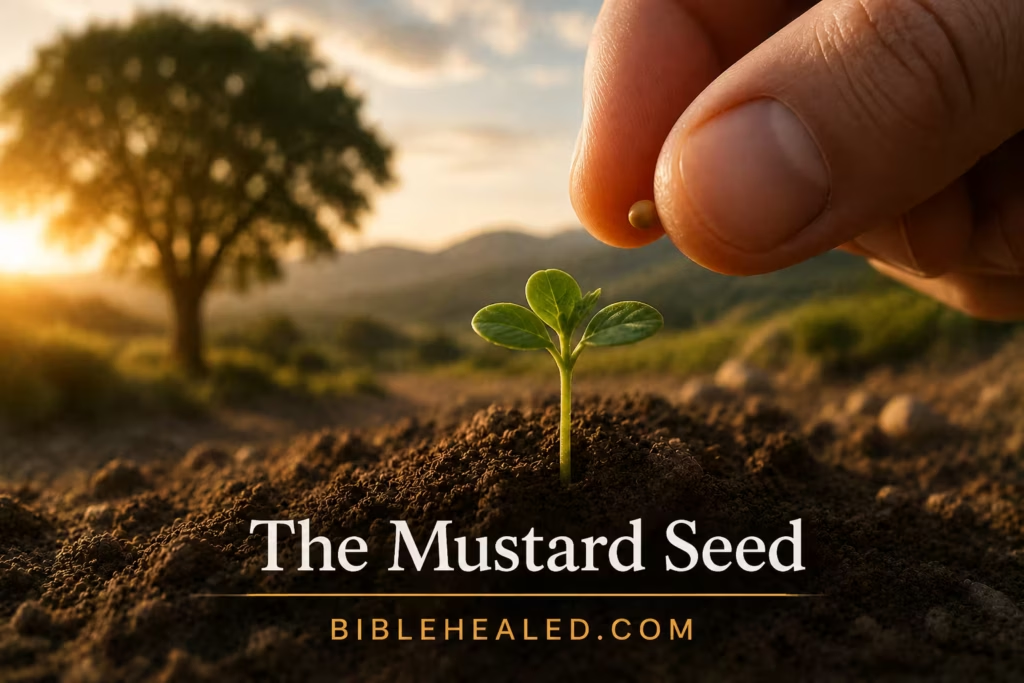
The Parable of the Mustard Seed: Verse, Meaning and Lesson
The Parable of the Mustard Seed is one of Jesus’ most well-known teachings about the growth, influence, and power of the Kingdom of God. This parable appears in Matthew 13:31-32, Mark 4:30-32, and Luke 13:18-19. In each account, Jesus compares the Kingdom of Heaven to a tiny mustard seed that grows into a large plant where birds can rest in its branches. Though the seed begins as one of the smallest seeds planted in a garden, it eventually becomes much larger than expected.
Jesus uses this simple agricultural image to teach that God’s Kingdom often begins in small and seemingly insignificant ways, yet grows into something powerful and far-reaching. The Kingdom may not always appear impressive according to worldly standards at first, but its influence steadily expands through God’s power. This parable highlights spiritual growth, faith, patience, and the certainty of God’s purposes being fulfilled.
Although the three Gospel accounts contain the same central message, each one emphasizes a slightly different aspect of the Kingdom’s growth. Matthew focuses on the contrast between small beginnings and great expansion. Mark emphasizes the remarkable growth and shelter provided by the Kingdom. Luke highlights the spreading influence and steady development of God’s work. Together, these passages provide a fuller understanding of the meaning and lessons behind the Parable of the Mustard Seed.
The Parable of the Mustard Seed in Matthew 13:31-32
Matthew 13:31-32 WEB
“He set another parable before them, saying, ‘The Kingdom of Heaven is like a grain of mustard seed, which a man took, and sowed in his field; which indeed is smaller than all seeds. But when it is grown, it is greater than the herbs, and becomes a tree, so that the birds of the air come and lodge in its branches.’”
How Matthew 13:31-32 Relates to the Parable of the Mustard Seed
In Matthew’s Gospel, Jesus emphasizes the dramatic contrast between the small beginning of the mustard seed and the large plant it eventually becomes. The mustard seed was commonly known for its tiny size, making it an effective symbol for something that initially appears small or insignificant. Jesus uses this image to teach that the Kingdom of Heaven may begin quietly and humbly, but its future growth will far exceed human expectations.
Matthew highlights the expansive influence of God’s Kingdom. The plant grows large enough for birds to rest in its branches, symbolizing protection, provision, and widespread reach. What begins with Jesus and a small group of disciples eventually spreads throughout the world. This passage encourages believers not to underestimate small beginnings because God often works powerfully through humble starts. Matthew’s account emphasizes faith, growth, and the certainty of God’s Kingdom expanding.
The Parable of the Mustard Seed in Mark 4:30-32
Mark 4:30-32 WEB
“He said, ‘How will we liken God’s Kingdom? Or with what parable will we illustrate it? It’s like a grain of mustard seed, which, when it is sown in the earth, though it is less than all the seeds that are on the earth, yet when it is sown, grows up, and becomes greater than all the herbs, and puts out great branches, so that the birds of the sky can lodge under its shadow.’”
How Mark 4:30-32 Relates to the Parable of the Mustard Seed
Mark’s account focuses on the remarkable transformation and growth produced by the mustard seed. Jesus describes how something extremely small becomes larger than all the garden plants and develops large branches capable of providing shade and shelter. This reflects the surprising and powerful expansion of God’s Kingdom despite humble beginnings.
Mark also emphasizes the protective nature of the Kingdom. The birds lodging under the plant’s shadow symbolize safety, rest, and refuge. Jesus teaches that God’s Kingdom not only grows but also provides spiritual shelter and blessing for many people. Mark’s Gospel highlights the power of God to produce extraordinary results from small beginnings. The passage encourages trust in God’s work even when growth is not immediately visible.
The Parable of the Mustard Seed in Luke 13:18-19
Luke 13:18-19 WEB
He said, “What is God’s Kingdom like? To what shall I compare it? It is like a grain of mustard seed, which a man took, and put in his own garden. It grew, and became a large tree, and the birds of the sky lodged in its branches.”
How Luke 13:18-19 Relates to the Parable of the Mustard Seed
In Luke’s Gospel, Jesus emphasizes the steady and unstoppable growth of God’s Kingdom. The mustard seed is planted in a garden and gradually becomes a large tree. Luke highlights the progression from small beginnings to widespread influence, demonstrating how God’s work develops over time according to His plan and power.
Luke also stresses the inclusive nature of the Kingdom. The birds resting in the branches suggest that many people will benefit from the growth of God’s Kingdom. Jesus teaches that the influence of God’s truth extends far beyond its original starting point. Luke’s account encourages believers to trust God’s ability to grow His Kingdom steadily and effectively even when beginnings appear small. The focus remains on spiritual growth, expansion, and God’s faithful work over time.
What Is the Meaning of the Parable of the Mustard Seed
The Parable of the Mustard Seed teaches that the Kingdom of God often begins in small and humble ways but grows into something far greater than expected through God’s power. Jesus uses the tiny mustard seed to illustrate how spiritual growth and God’s work may initially seem insignificant according to human standards. However, what God begins continues growing steadily until it produces widespread influence and blessing.
This parable also teaches the importance of faith and patience. Small beginnings should not be despised because God often works gradually and powerfully over time. The mustard seed represents not only the growth of God’s Kingdom in the world but also spiritual growth within individual believers. Faith may begin small, but through trust, obedience, and God’s work, it grows stronger and more fruitful. The Parable of the Mustard Seed ultimately teaches that God’s Kingdom is living, expanding, unstoppable, and far more powerful than it may first appear.
Lessons from the Parable of the Mustard Seed
1. God Often Works Through Small Beginnings
Jesus teaches that great spiritual outcomes often begin in humble and seemingly insignificant ways. The mustard seed is tiny, yet it grows into a large plant. God frequently uses small acts of faith, obedience, and trust to accomplish larger purposes. Believers should not underestimate small beginnings. God’s power can produce extraordinary growth from what appears insignificant.
2. Spiritual Growth Takes Time
The mustard seed does not become a large plant instantly. Jesus teaches that spiritual growth is often gradual and steady rather than immediate. Faith matures through time, obedience, and continued trust in God. Believers should remain patient during seasons when growth seems slow. God continues working even when progress is not immediately visible.
3. God’s Kingdom Continues Expanding
The growth of the mustard seed represents the continual spread of God’s Kingdom throughout the world. What began with Jesus and a small group of followers eventually reached nations across the earth. Jesus teaches that God’s Kingdom cannot ultimately be stopped. Its influence continues spreading through truth, faith, and the gospel. God’s plans continue advancing according to His purpose.
4. Faith Can Grow Stronger
The mustard seed also symbolizes personal faith. Even small faith can grow significantly when placed in God’s hands. Jesus teaches that faith develops through dependence on God and spiritual perseverance. Believers should nurture their faith through prayer, obedience, and trust in God’s Word. Small faith can lead to powerful spiritual results.
5. God’s Kingdom Provides Refuge and Blessing
The birds resting in the branches symbolize shelter, peace, and provision. Jesus teaches that God’s Kingdom brings spiritual refuge and hope to those who come to Him. As the Kingdom grows, more people experience God’s grace, truth, and salvation. Believers are called to participate in spreading that hope to others. God’s Kingdom blesses and strengthens lives.
The Mustard Seed Parable Summary
The Parable of the Mustard Seed teaches that the Kingdom of God begins small but grows into something powerful, far-reaching, and life-giving. In Matthew 13:31-32, Mark 4:30-32, and Luke 13:18-19, Jesus compares God’s Kingdom to a tiny mustard seed that grows into a large plant or tree where birds can rest in its branches. Though the beginning appears small and insignificant, the final result becomes much greater than expected.
Matthew emphasizes the contrast between humble beginnings and extraordinary expansion. Mark highlights the remarkable growth and protective shelter provided by the Kingdom. Luke focuses on the steady and unstoppable development of God’s work over time. Together, these passages reveal the power, growth, and influence of God’s Kingdom both in the world and within individual believers.
The Parable of the Mustard Seed reminds believers not to despise small beginnings or lose faith during slow seasons of growth. God works patiently and powerfully over time to accomplish His purposes. Faith, spiritual growth, and the spread of the gospel often begin quietly but eventually produce lasting impact. This parable ultimately teaches that God’s Kingdom is alive, expanding, and capable of transforming lives far beyond human expectations.
Read More Parables In the Bible
The Parable of the Mustard Seed is just one of many parables in the Bible. Use the links below to explore more of Jesus’ parables, their meanings, and life lessons.
All Jesus Parables
Parables In Matthew
Parables In Mark
Parables In Luke
Parables About the Kingdom of God & Heaven
Parable of the Barren Fig Tree
Parable of the Divided Kingdom
Parable of the Faithful Servant
Parable of the Fig Tree
Parable of the Friend at Night
Parable of the Good Samaritan
Parable of the Great Banquet
Parable of the Growing Seed
Parable of the Hidden Treasure
Parable of the Householder
Parable of the Lamp on a Lamp Stand
Parable of the Lost Coin
Parable of the Lost Sheep
Parable of the Master and Servant
Parable of the Mustard Seed
Parable of the Net
Parable of the New Cloth and New Wineskins
Parable of the Pearl
Parable of the Persistent Widow
Parable of the Pharisee and the Tax Collector
Parable of the Prodigal Son
Parable of the Rich Fool
Parable of the Rich Man and Lazarus
Parable of the Sheep and Goats
Parable of the Sower
Parable of the Speck and the Log
Parable of the Talents
Parable of the Ten Virgins
Parable of the Tenants
Parable of the Tower
Parable of the Two Debtors
Parable of the Two Sons
Parable of the Unforgiving Servant
Parable of the Unjust Steward
Parable of the Watchful Servants
Parable of the Wedding Banquet
Parable of the Wedding Feast
Parable of the Weeds
Parable of the Wise and the Foolish Builders
Parable of the Workers In the Vineyard
Parable of the Yeast